How Does Tractor Power Steering Work Step by Step
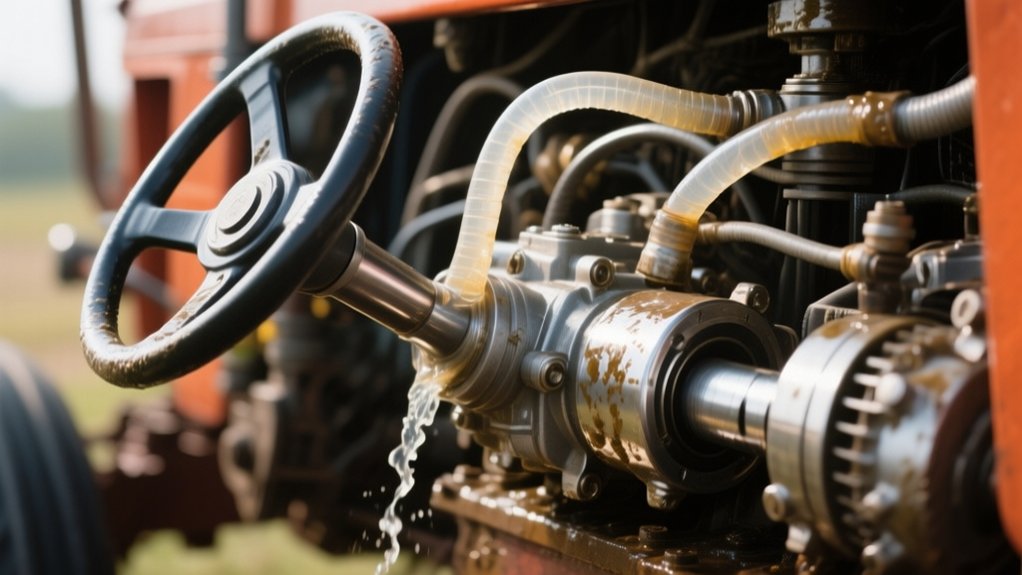
When you turn your tractor’s steering wheel, your input moves mechanical linkages that begin the wheel turn. Simultaneously, an engine-driven hydraulic pump builds pressure by pushing fluid through hoses. A control valve senses your steering and directs pressurized fluid to a hydraulic cylinder, which pushes a piston connected to the linkage, turning the wheels with ease. This system multiplies your effort, letting you steer smoothly and precisely. Keep exploring to understand how each part works together.
Key Takeaways
- Turning the steering wheel mechanically moves linkages to initiate wheel direction change.
- An engine-driven hydraulic pump pressurizes fluid to assist steering force.
- The control valve regulates hydraulic fluid flow based on steering wheel movement.
- Pressurized fluid moves the hydraulic cylinder piston, translating linear motion to wheel rotation.
- Regular fluid checks and system maintenance ensure smooth, responsive, and effortless steering.
What Is Tractor Power Steering and Why It Matters
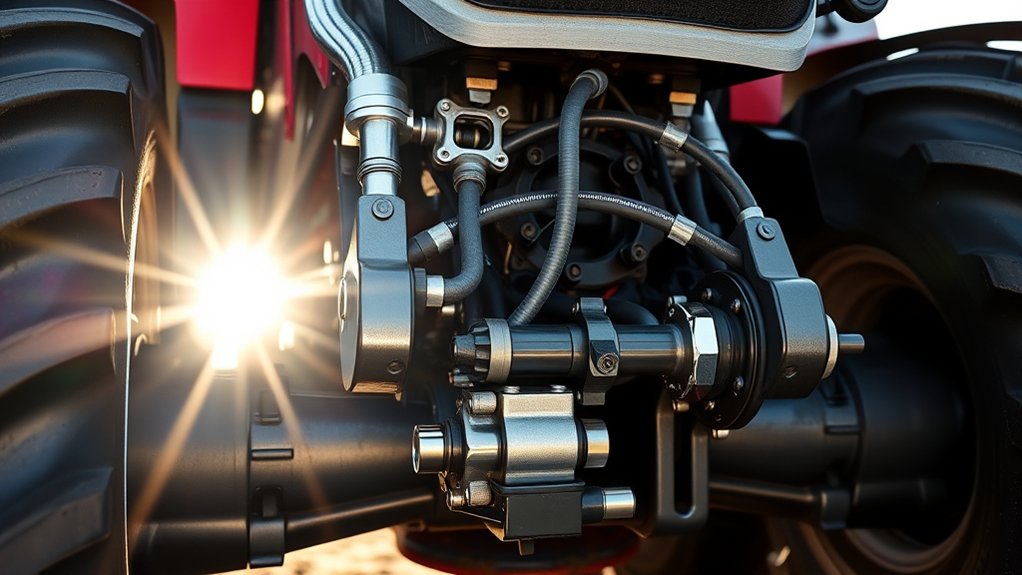
Although steering a tractor might seem straightforward, power steering makes a significant difference by reducing the effort you need to turn the wheels, especially in tough conditions. When you’re working on uneven terrain or hauling heavy loads, manual steering demands a lot of physical strength, which can tire you out quickly.
Power steering provides hydraulic or electric assistance, so you can maneuver with ease, improving your control and safety. This system helps you maintain precision during tasks like plowing or transporting, increasing your efficiency.
Without power steering, making sharp turns or adjusting direction becomes more strenuous and less responsive, slowing your work and increasing fatigue. So, power steering isn’t just a convenience—it’s essential for comfortable, effective tractor operation.
Key Components of a Tractor Power Steering System
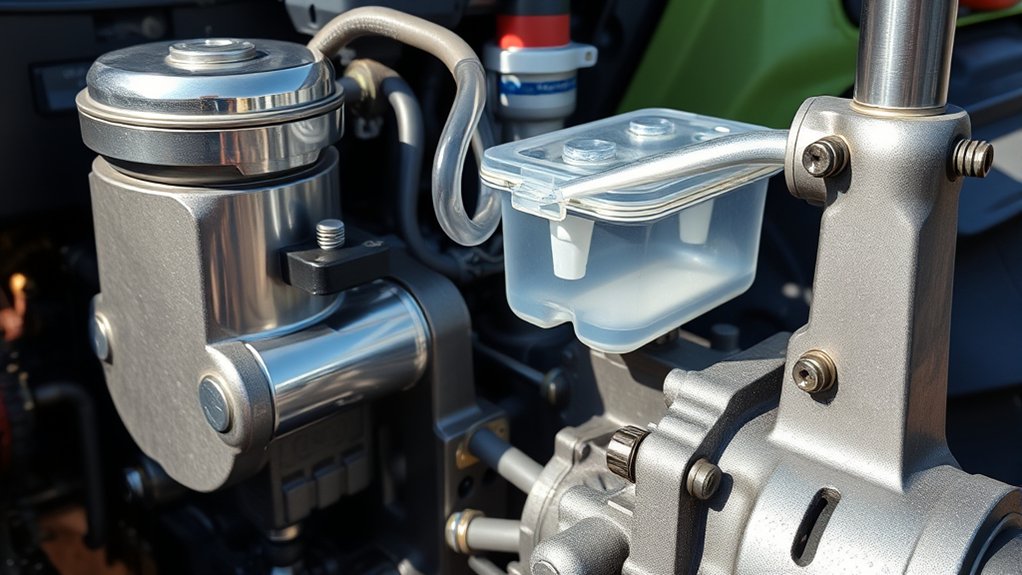
To understand tractor power steering, you need to know how the hydraulic pump supplies pressure, how the steering cylinder converts that pressure into movement, and how the control valve directs the flow. Each component plays a vital role in making steering easier and more responsive. Let’s break down how these parts work together.
Hydraulic Pump Function
How exactly does the hydraulic pump keep your tractor’s power steering running smoothly? It pressurizes hydraulic fluid, supplying the necessary force to assist your steering efforts. When you turn the wheel, the pump generates high-pressure fluid that powers the steering system, reducing the effort you need.
Here’s a quick look at the hydraulic pump’s main functions:
| Function | Description |
|---|---|
| Fluid pressurization | Converts engine power into hydraulic pressure |
| Continuous operation | Runs constantly while the tractor’s on |
| Pressure regulation | Maintains *ideal* fluid pressure |
Steering Cylinder Operation
The hydraulic pump keeps hydraulic fluid pressurized and ready, but it’s the steering cylinder that actually converts that pressure into movement.
When you turn the steering wheel, pressurized fluid flows into one side of the cylinder, pushing the piston inside. This piston’s movement extends or retracts the cylinder rod, which is connected directly to the tractor’s steering linkage.
As the rod moves, it physically turns the wheels left or right, making steering easier and more responsive.
The cylinder’s sealed design guarantees fluid doesn’t leak, maintaining consistent pressure and smooth operation.
Without the steering cylinder’s precise hydraulic action, you’d have to exert much more effort to guide the tractor, especially at low speeds or under heavy loads.
Control Valve Role
Why does the control valve play such a crucial role in tractor power steering? Because it directs hydraulic fluid to the steering cylinder, enabling smooth and responsive steering. When you turn the steering wheel, the control valve senses the movement and opens the correct pathway for the fluid to flow.
This action helps you maneuver the tractor with less effort.
Here’s how the control valve works in your tractor’s power steering system:
- Detects steering wheel movement.
- Opens hydraulic channels accordingly.
- Regulates fluid pressure to the steering cylinder.
- Guarantees precise and controlled wheel movement.
Without the control valve, the hydraulic system wouldn’t know where to send power, making steering difficult and inefficient.
How Tractor Power Steering Works: A Step-by-Step Overview
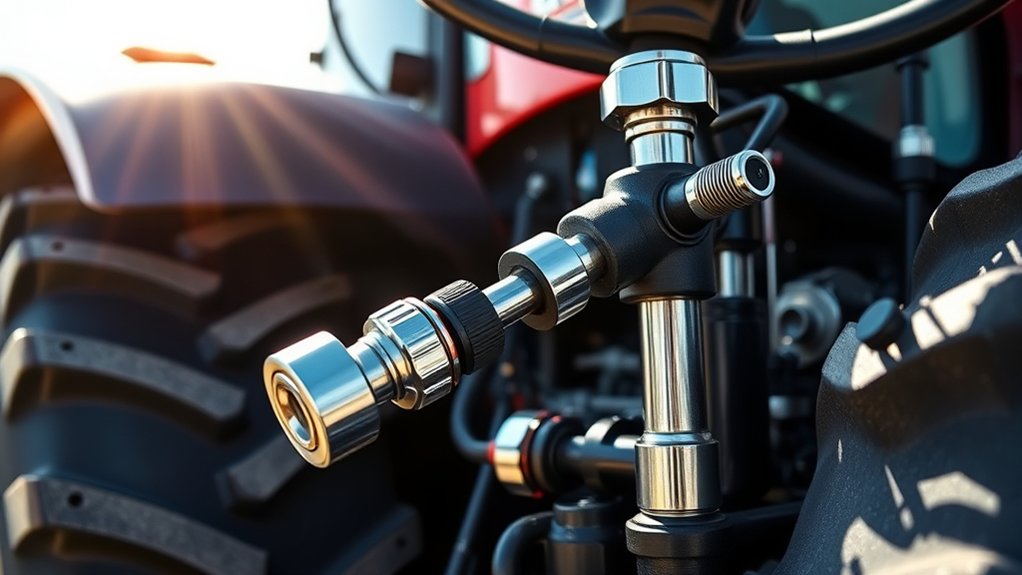
Although steering a tractor might seem straightforward, power steering systems work behind the scenes to make it much easier for you to maneuver heavy equipment.
When you turn the steering wheel, sensors detect your input and send signals to the control valve. This valve regulates hydraulic fluid flow, directing it to the steering cylinder.
The hydraulic pressure then assists the movement of the steering mechanism, reducing the effort you need to turn the wheels.
Meanwhile, the system continuously adjusts fluid pressure to match your steering demands, ensuring smooth and responsive control.
Step 1: Initiating Steering by Turning the Wheel
How exactly do you start the steering process on a tractor? It all begins the moment you grasp the steering wheel and turn it in the direction you want to go. This initial action sets the entire power steering system in motion, guiding the tractor’s wheels smoothly.
Starting to steer a tractor begins the instant you turn the wheel toward your desired direction.
Here’s what happens when you turn the wheel:
- Your hands apply force to the steering wheel, rotating it.
- The steering column transfers this rotation down to the steering gear.
- The steering gear converts the rotational motion into lateral movement.
- This lateral movement starts to direct the front wheels toward your intended path.
This simple yet essential step initiates the mechanical linkages that ultimately steer the tractor where you want it to go.
Step 2: Building Hydraulic Pressure With the Pump
When you turn the steering wheel, the pump kicks into action by drawing hydraulic fluid from the reservoir.
This fluid moves through the system under pressure, ready to assist your steering effort.
Understanding how the pump builds this hydraulic pressure is key to seeing how power steering works.
Pump Operation Mechanism
Since the pump plays a crucial role in tractor power steering, it works by drawing hydraulic fluid from the reservoir and pressurizing it to provide the necessary force. You’ll find that the pump’s operation is straightforward yet powerful. Here’s how it functions step by step:
- The engine turns the pump’s drive shaft, activating the pumping mechanism.
- Inside, gears or vanes spin, creating a vacuum that pulls fluid in.
- The fluid is then compressed between the moving parts, increasing its pressure.
- Finally, the pressurized fluid is sent through the system to assist with steering.
This mechanism guarantees hydraulic pressure builds consistently, allowing you to steer the tractor with minimal effort.
Hydraulic Fluid Flow
After the pump pressurizes the hydraulic fluid, the system directs this high-pressure fluid toward the steering components. You’ll notice the fluid traveling through hoses and valves designed to handle the intense pressure without leaking.
As you turn the steering wheel, the control valve adjusts, allowing the fluid to flow into one side of the hydraulic cylinder. This movement helps push the piston inside, amplifying your steering effort.
Meanwhile, fluid from the opposite side of the cylinder returns to the reservoir, keeping the system balanced.
The continuous flow of hydraulic fluid ensures smooth, responsive steering, even under heavy loads. Understanding this flow helps you appreciate how power steering reduces the physical effort needed to maneuver your tractor efficiently.
Step 3: Steering Valve Controls Fluid Flow
Although it might seem complex, the steering valve plays an essential role in controlling the flow of hydraulic fluid that powers your tractor’s steering. When you turn the steering wheel, the valve senses the direction and adjusts fluid flow accordingly. This precise control enables smooth and responsive steering.
The steering valve expertly controls hydraulic fluid flow, ensuring smooth and responsive tractor steering with every turn.
Here’s how the steering valve manages fluid flow:
- Detects the steering wheel’s movement and direction.
- Opens or closes ports to direct hydraulic fluid.
- Regulates fluid pressure to assist with turning effort.
- Prevents fluid from flowing unnecessarily, maintaining system efficiency.
Step 4: Power Steering Cylinder Turns the Wheels
Now, the power steering cylinder takes action by moving its piston based on the fluid pressure you control. This movement directly pushes or pulls the steering linkage, turning the wheels with less effort from you.
Understanding how this cylinder converts fluid power into mechanical motion shows how your tractor responds smoothly to your steering input.
Cylinder Movement Mechanics
When the power steering cylinder receives hydraulic pressure, it pushes or pulls the piston inside, converting fluid power into mechanical force. This movement is what physically shifts the steering mechanism, letting you turn the tractor’s wheels with ease.
Here’s how it works in detail:
- Hydraulic fluid enters one side of the cylinder, forcing the piston to move.
- The piston rod extends or retracts, depending on fluid direction.
- This rod connects to the steering linkage, directly influencing wheel angle.
- As the piston moves, it overcomes resistance from the ground and tire friction, making steering smoother.
Wheel Turning Process
As the power steering cylinder pushes or pulls the piston rod, this motion directly moves the steering linkage connected to the wheels. You’ll notice the wheels respond immediately, turning left or right based on the piston’s direction.
This linkage acts as a mechanical bridge, translating the cylinder’s linear movement into the rotational motion needed to steer the tractor.
Because the power steering system diminishes the effort required, you don’t have to struggle with heavy manual steering. Instead, the hydraulic pressure assists, making wheel turning smooth and responsive.
This precise control helps you navigate fields and rough terrain efficiently, improving maneuverability and reducing operator fatigue.
Ultimately, the power steering cylinder’s action ensures your tractor wheels turn accurately and effortlessly with every steering input you make.
Differences Between Hydraulic and Electric Power Steering
Although both hydraulic and electric power steering systems aim to make tractor maneuvering easier, they operate using fundamentally different mechanisms. When you use hydraulic steering, it relies on fluid pressure generated by a pump connected to the engine.
Electric power steering, on the other hand, uses an electric motor controlled by sensors to assist your steering effort.
Here’s how they differ:
- Power Source: Hydraulic depends on engine-driven pumps; electric uses batteries and motors.
- Efficiency: Electric steering is more energy-efficient since it only uses power when needed.
- Maintenance: Hydraulic systems require fluid checks and potential leaks; electric systems need less upkeep.
- Response: Electric steering offers quicker, more precise feedback, while hydraulic provides a smoother feel.
Choosing between them depends on your tractor’s design and your preference for performance or maintenance.
Common Tractor Power Steering Problems and How to Fix Them
Since power steering plays an essential role in controlling your tractor, any issues can make maneuvering difficult and unsafe. One common problem is steering that feels heavy or unresponsive, often caused by low hydraulic fluid or air in the system. Check fluid levels and bleed the system to remove air bubbles.
Another issue is leaking fluid, which you can spot by puddles under your tractor. Inspect hoses and seals for damage and replace any faulty parts. If you hear whining noises when turning, the power steering pump might be failing and could need repair or replacement.
Ultimately, if the steering wheel vibrates or jerks, worn-out components like tie rods or steering gears might be the cause. Address these problems promptly to keep your tractor safe and reliable.
Maintaining Your Tractor’s Power Steering System
To keep your tractor’s power steering running smoothly, you’ll need regular maintenance that focuses on fluid levels, cleanliness, and component checks. Neglecting these can lead to costly repairs and reduced performance. Here’s what you should do:
Regular maintenance of fluid levels, cleanliness, and components is essential for smooth tractor power steering performance.
- Check the power steering fluid regularly and top it off with the recommended type to avoid leaks and ensure proper pressure.
- Inspect hoses and connections for cracks, wear, or leaks that could disrupt fluid flow.
- Clean the power steering pump and reservoir to prevent dirt buildup, which can damage internal components.
- Test the steering response frequently; if you notice stiffness or noise, address the issue immediately to prevent further damage.
Frequently Asked Questions
Can Power Steering Be Added to Older Tractor Models?
Yes, you can add power steering to older tractors. You’ll need a compatible kit, some mechanical know-how, and possibly professional help to install it properly, improving steering ease and reducing operator fatigue substantially.
How Does Tractor Power Steering Affect Fuel Efficiency?
You might think power steering reduces fuel efficiency, but it actually helps. By easing steering effort, you use less engine power for turning, which can improve fuel economy slightly, especially during long, repetitive tasks.
Are There Specific Oils Required for Tractor Power Steering Systems?
Yes, you’ll need specific hydraulic oils designed for tractor power steering systems. Using the right oil guarantees proper lubrication, prevents wear, and maintains system efficiency. Always check your tractor’s manual for the recommended oil type.
What Safety Precautions Should Be Taken When Repairing Power Steering?
Since 70% of power steering failures stem from improper handling, you should always disconnect the battery, relieve system pressure, wear gloves, and avoid contaminating the fluid. Don’t rush; safety keeps you protected during repairs.
How Long Does Tractor Power Steering Typically Last Before Replacement?
You can expect tractor power steering to last around 8 to 10 years or 5,000 to 10,000 hours with proper maintenance. However, heavy use or poor upkeep might shorten its lifespan considerably.
Conclusion
Now that you know how tractor power steering works, you’ll handle steering like a pro, making tough maneuvers feel as easy as pie. With this system, you’re not just turning wheels—you’re commanding power with precision. Remember, keeping your power steering in top shape isn’t just smart; it’s essential, or your tractor might fight you harder than a bull in a china shop. Stay proactive, and you’ll steer smoothly season after season!