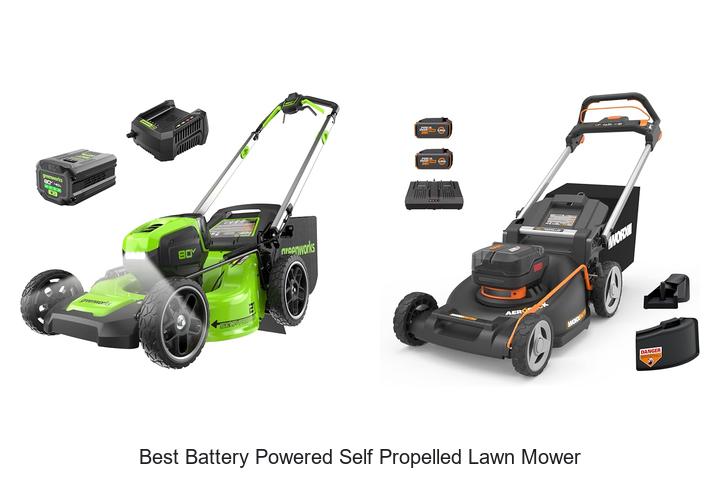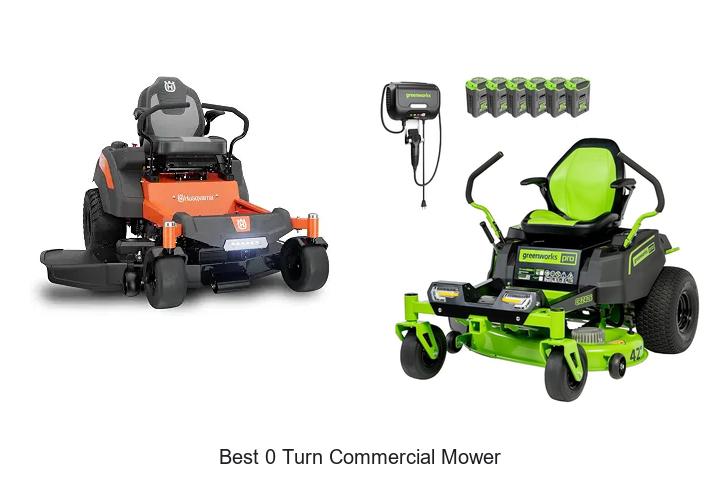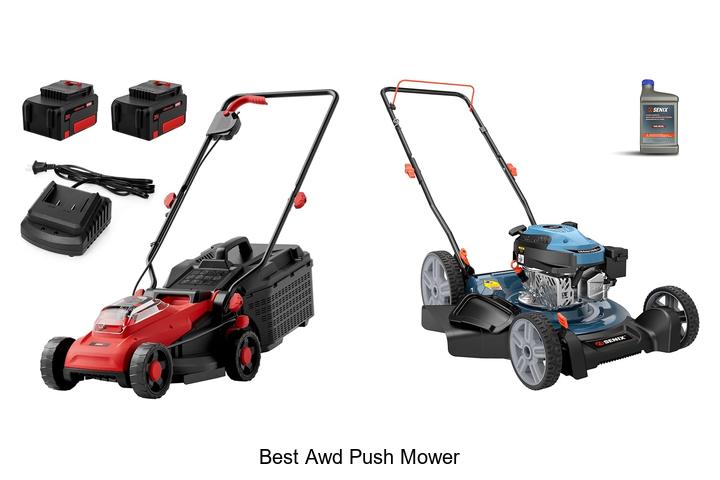
What Is a Self-Propelled Lawn Mower?
A self-propelled lawn mower moves forward on its own, so you don’t have to push it constantly. It uses a transmission system to transfer engine power to the wheels, letting you control the speed with a lever. This reduces fatigue, especially on large or uneven lawns, making mowing easier and faster. Whether you have hills or a big yard, it helps you work efficiently. Keep going to discover how to choose and maintain the right mower for your needs.
Key Takeaways
- A self-propelled lawn mower moves forward automatically using a transmission system powered by the engine.
- It reduces physical effort by pushing itself, making mowing easier and less tiring.
- These mowers offer adjustable speed settings for comfortable control during use.
- They are ideal for medium to large lawns, especially on uneven or sloped terrain.
- Drive systems vary (front, rear, or all-wheel) to match different yard conditions and improve traction.
What Is a Self-Propelled Lawn Mower and How Does It Work
Although a self-propelled lawn mower looks like a regular mower, it actually moves forward on its own, so you don’t have to push it. This type of mower has a transmission system that transfers power from the engine to the wheels, propelling it forward.
You control the speed using a lever or throttle, adjusting how fast it moves. Some models have a single drive wheel, while others power all four wheels for better traction on uneven terrain.
When you engage the drive control, the mower’s wheels start turning, helping you maintain a steady pace. It still requires guidance—you steer it just like a regular mower—but the self-propelling feature reduces the physical effort needed to cover your lawn.
Top Benefits of Self-Propelled Lawn Mowers: Save Time and Effort
Understanding how a self-propelled lawn mower moves on its own helps highlight the key advantages it offers. You won’t have to push hard, which means mowing becomes less tiring, especially on larger or uneven lawns.
This mower’s powered wheels do most of the work, letting you focus on steering and guiding it smoothly. As a result, you save time because you can maintain a steady pace without frequent breaks.
Plus, you’ll reduce strain on your arms and back, making lawn care more comfortable. These benefits combine to make the whole mowing experience more efficient and enjoyable, so you can keep your yard looking great without the usual fatigue and effort.
When Is a Self-Propelled Mower the Best Choice for You?
If you have a large lawn, a self-propelled mower can save you a lot of time and energy.
You’ll find it easier to operate, especially on uneven terrain or slopes where pushing a regular mower feels tough.
Let’s look at how these features make it the best choice for your yard.
Large Lawn Efficiency
How do you tackle mowing a large lawn without burning out? A self-propelled mower is your best bet when dealing with expansive yards. It takes on the heavy lifting by moving forward on its own, letting you focus on steering rather than pushing.
This efficiency saves you energy and reduces fatigue, especially on uneven terrain or slopes. You’ll cover more ground faster, making long mowing sessions less intimidating. Plus, many models come with adjustable speed settings, so you can match the pace to your comfort level.
If your lawn spans half an acre or more, a self-propelled mower helps keep the job manageable, allowing you to maintain a neat yard without turning the task into a workout marathon.
Ease Of Operation
While covering large lawns efficiently is important, operating the mower with ease can make a big difference in your mowing experience. A self-propelled lawn mower takes the effort out of pushing, letting you focus more on guiding the mower than powering it.
You’ll find it’s especially helpful if you want to:
- Reduce physical strain during long mowing sessions
- Maneuver easily around obstacles without stopping
- Maintain a steady pace without constant effort
These features mean you can mow comfortably, even if you’re not very strong or have limited stamina. When ease of operation matters to you, a self-propelled mower is a smart choice, making yard work less tiring and more enjoyable.
Terrain And Slope
Where does your lawn challenge you the most? If you’re dealing with uneven ground or slopes, a self-propelled mower can make a big difference.
These mowers reduce the effort needed to push uphill or navigate hilly areas by powering the wheels for you. You won’t have to strain your arms or lose balance on tricky terrain.
Plus, many models let you adjust the speed to match your walking pace, giving you better control on steep slopes.
If your yard has hills or bumpy spots, a self-propelled mower ensures smoother mowing sessions and less fatigue.
Different Types of Self-Propelled Lawn Mowers Explained
You’ll find two main types of self-propelled lawn mowers: front-wheel drive and rear-wheel drive. Each offers different benefits depending on the terrain and your mowing needs.
Let’s look at how they compare and which might work best for you.
Front Wheel Drive
How does a front wheel drive lawn mower make your mowing easier? It puts power to the front wheels, giving you better control and easier steering, especially on flat or slightly uneven lawns. You’ll find it simpler to maneuver around obstacles without needing to push too hard.
This type suits smaller yards where tight turns matter.
With a front wheel drive mower, you’ll notice:
- Improved maneuverability around flower beds and trees
- Less effort when changing direction or turning corners
- Smooth, consistent speed on level ground
Keep in mind, front wheel drive mowers excel on flat terrain but might struggle with steep hills or very rough patches. They’re a great choice if you want a balance of ease and control in your mowing routine.
Rear Wheel Drive
While front wheel drive mowers offer easy steering on flat lawns, rear wheel drive models bring a different set of advantages that can make mowing tougher terrain much easier.
With power delivered to the rear wheels, these mowers provide better traction and stability on hills, slopes, and uneven ground. You’ll notice improved control when pushing through thick grass or rough patches, which means less effort and more efficient mowing.
Rear wheel drive mowers are often favored for larger yards or properties with challenging landscapes. They handle inclines and obstacles more confidently, reducing the risk of slipping or losing balance.
If your lawn has varying terrain, a rear wheel drive mower will give you the power and control you need to get the job done smoothly.
Gas vs. Electric Self-Propelled Mowers: Which Is Better?
Which type of self-propelled mower suits your needs better: gas or electric? Your choice depends on how you plan to use it and what matters most to you.
Gas mowers pack more power, making them ideal for large or tough lawns.
Gas mowers deliver strong power, perfect for handling large or challenging lawn areas efficiently.
Electric mowers, on the other hand, offer quieter operation and less maintenance.
Consider these points when deciding:
- Power and runtime: Gas mowers run longer without recharging but need fuel and upkeep.
- Noise and emissions: Electric mowers run quietly and produce zero emissions.
- Maintenance: Gas requires regular tuning; electric needs battery care.
Ultimately, if you want convenience and eco-friendliness, electric might be better.
For heavy-duty mowing, gas could be the way to go.
Drive Systems in Self-Propelled Lawn Mowers Explained
Choosing between gas and electric self-propelled mowers is just one part of finding the right machine for your lawn. Another key factor is understanding the drive system, which powers the mower forward.
Most self-propelled mowers use either front-wheel drive, rear-wheel drive, or all-wheel drive.
Front-wheel drive mowers are easier to steer and great for flat, smooth lawns.
Rear-wheel drive offers better traction on slopes and uneven terrain, giving you more control.
All-wheel drive provides maximum traction and power, ideal for tough mowing conditions but comes with a higher price tag.
Knowing how each drive system affects handling helps you pick a mower that fits your lawn’s size and challenges, ensuring a smoother, less tiring mowing experience every time you head outside.
How Different Terrains Affect Your Self-Propelled Mower
Because your lawn’s terrain directly impacts how your self-propelled mower performs, it’s important to align your mower’s capabilities to the ground you’ll be working on. Different surfaces demand different handling and power.
Your mower’s performance depends on matching its capabilities to your lawn’s specific terrain and conditions.
For instance, uneven or hilly terrain requires a mower with strong traction and stability to avoid slipping. Wet or soft ground can cause your mower to bog down, so you’ll want one with wider tires for better grip.
Smooth, flat lawns are easier to manage but still need consistent power for a clean cut.
Consider these terrain types:
- Hilly areas: Look for powerful drive systems and adjustable speed control.
- Soft, muddy ground: Tires with deep treads improve traction.
- Flat, even lawns: Lightweight, maneuverable mowers work best.
Matching your mower to your terrain ensures safer, more efficient mowing.
Must-Have Features in a Self-Propelled Lawn Mower
You’ll want a mower with an efficient drive system to handle different terrains smoothly.
Adjustable speed settings let you control your pace for the best cut.
Don’t forget durable cutting blades—they make all the difference in performance and longevity.
Efficient Drive System
When you tackle uneven terrain or thick grass, an efficient drive system guarantees your self-propelled lawn mower moves smoothly without straining. You want a drive system that responds instantly to your input, making maneuvering easier and reducing fatigue.
Look for features that offer:
- Reliable traction control to prevent slipping on slopes or wet grass
- Durable transmission components that handle rough surfaces without frequent breakdowns
- Smooth power delivery ensuring consistent speed even when the grass thickens or the ground gets bumpy
These elements combine to give you better control and less effort pushing the mower. An efficient drive system not only improves your mowing experience but also extends the life of your mower by reducing mechanical stress.
Choosing the right system means you’ll breeze through your lawn with less hassle every time.
Adjustable Speed Settings
Although mowing conditions can vary widely, having adjustable speed settings on your self-propelled lawn mower lets you match the pace to your comfort and the terrain. You can slow down when tackling tricky slopes or uneven ground, ensuring better control and safety.
On flat, open areas, increasing the speed helps you finish the job faster without feeling rushed. This flexibility reduces fatigue since you won’t be forced to keep up with a single, fixed speed.
Plus, adjustable speeds let you tailor the mower’s performance to your strength and stamina, making the task less strenuous. When shopping, look for models with smooth speed control options that let you easily dial in the right pace without stopping.
This feature enhances your mowing experience and efficiency every time.
Durable Cutting Blades
How long your mower’s blades last can make a big difference in both performance and maintenance. Durable cutting blades resist dulling and damage, letting you mow smoothly and efficiently without frequent replacements.
When choosing a self-propelled lawn mower, look for blades that offer:
- High-quality steel construction for strength and longevity
- Sharp edges designed to provide clean, precise cuts
- Resistance to corrosion and rust, even in damp conditions
These features help you maintain a healthy lawn by cutting grass evenly, reducing stress on the mower, and saving you time and money on blade upkeep. Investing in durable blades means you’ll get consistent results and fewer interruptions during your mowing sessions.
Don’t overlook this key component when picking the right self-propelled mower for your yard.
Choosing the Right Self-Propelled Lawn Mower for Your Yard
Selecting the right self-propelled lawn mower means considering your yard’s size, terrain, and grass type to guarantee efficient mowing.
If you have a large yard, opt for a mower with a wider cutting deck to reduce the number of passes.
For uneven or hilly terrain, choose one with variable speed control and strong traction to maintain stability.
Your grass type matters too; thicker or taller grass calls for a more powerful engine and sharp blades.
Battery-powered models suit small to medium lawns and offer quieter operation, while gas models deliver more power for tougher jobs.
Also, check the mower’s weight and maneuverability—lighter models are easier to handle but might lack durability.
Matching these features to your yard ensures smoother mowing and better results.
How to Operate a Self-Propelled Lawn Mower Safely
Before you start mowing, make sure you familiarize yourself with the mower’s controls and safety features. Know where the throttle, brake, and blade engagement lever are located. Always wear sturdy shoes and eye protection to guard against flying debris. Keep your hands and feet away from the blades at all times.
To operate safely, follow these key tips:
- Clear your yard of sticks, stones, and toys before mowing.
- Mow across slopes, not up and down, to avoid losing control.
- Never pull the mower backward unless absolutely necessary, and look behind you first.
Common Maintenance Tips for Self-Propelled Lawn Mowers
To keep your self-propelled lawn mower running smoothly, you’ll want to sharpen the blades regularly and check the engine oil often.
Sharp blades guarantee a clean cut, while fresh oil keeps the engine healthy.
Let’s go over these simple maintenance tasks to help your mower last longer.
Regular Blade Sharpening
Keeping your self-propelled lawn mower’s blade sharp is essential for a clean, even cut. Dull blades tear grass instead of slicing it, leading to an uneven lawn and stressing your grass.
To maintain sharp blades, get into a routine of checking and sharpening them regularly. Here’s what you should do:
- Inspect the blade for nicks, dents, or dull edges every 20-25 hours of use.
- Use a sharpening tool like a file or a bench grinder to restore a sharp edge.
- Balance the blade after sharpening to prevent vibrations and damage to the mower.
Engine Oil Checks
How often do you check the engine oil in your self-propelled lawn mower? Regular oil checks are essential to keep the engine running smoothly and prevent costly damage.
Before each mowing session, or at least after every 5 hours of use, pull out the dipstick, wipe it clean, then reinsert it fully to check the oil level.
If it’s low, top it off with the recommended oil type found in your mower’s manual.
Also, look for signs of dirty or dark oil, which means it’s time for a change.
Fresh oil lubricates engine parts and improves performance.
Skipping oil checks can lead to overheating or engine failure, so make this quick task part of your routine maintenance to extend your mower’s life.
Troubleshooting Self-Propelled Lawn Mower Problems
When your self-propelled lawn mower isn’t working as expected, you can often pinpoint the issue by checking a few common problems. First, inspect the drive belt; if it’s worn or broken, the mower won’t move properly.
If your self-propelled mower isn’t moving right, start by checking the drive belt for wear or damage.
Next, examine the throttle and choke settings—incorrect adjustments can cause stalling or poor performance.
Finally, make sure the wheels and transmission are clean and free of debris, as buildup can hinder motion.
- Drive belt damage or slippage
- Throttle and choke misadjustment
- Clogged wheels or transmission
How Self-Propelled Lawn Mowers Save Time and Reduce Fatigue
Although mowing can be tiring, a self-propelled lawn mower takes much of the effort off your shoulders by moving forward on its own. This means you don’t have to push the mower with all your strength, especially on uneven or sloped terrain. You simply guide it, which drastically reduces physical strain and fatigue.
Because the mower moves consistently at a *best* speed, you complete your lawn care faster than you’d with a traditional push mower. The time saved allows you to finish mowing without feeling exhausted, so you can enjoy your yard sooner.
How Self-Propelled Mowers Compare to Push and Riding Mowers
Choosing between self-propelled, push, and riding mowers depends on your lawn size, terrain, and personal preferences.
Selecting the right mower depends on your lawn’s size, terrain, and what suits you best.
If you have a medium-sized yard with uneven ground, a self-propelled mower offers the perfect balance of power and control.
Push mowers demand more effort, making them better suited for small, flat lawns.
Riding mowers shine on large properties but require more storage and maintenance.
Here’s a quick comparison:
- Push Mowers: Lightweight, affordable, but physically demanding
- Self-Propelled Mowers: Easier to maneuver, reduce fatigue, ideal for varied terrain
- Riding Mowers: Efficient for extensive lawns, but bulky and costly
Tips to Extend the Lifespan of Your Self-Propelled Lawn Mower
To keep your self-propelled lawn mower running smoothly for years, you’ll need to perform regular maintenance and handle it with care.
Start by cleaning the mower after each use—remove grass clippings and debris from the blades and undercarriage to prevent rust and buildup.
Check the oil level regularly and change it according to the manufacturer’s schedule.
Sharpen the blades at least once a season to ensure efficient cutting and reduce strain on the engine.
Inspect the drive system and cables, lubricating moving parts as needed to avoid wear.
Store your mower in a dry, sheltered place to protect it from the elements.
Finally, follow the user manual’s guidelines closely, and don’t hesitate to get professional servicing if you notice unusual noises or performance drops.
Frequently Asked Questions
Can Self-Propelled Mowers Be Used on Wet Grass?
You shouldn’t use self-propelled mowers on wet grass because it can clog the blades and cause uneven cutting. Wet conditions also increase slipping risks, so wait until the grass is dry for safer, better results.
Are Self-Propelled Lawn Mowers Noisy?
Noise from self-propelled mowers can be like a barking dog—noticeable but manageable. You’ll find some models quieter than others, especially electric ones, so you can choose what fits your peace and mowing needs best.
What Safety Gear Is Recommended When Using These Mowers?
You should wear safety glasses, sturdy gloves, ear protection, long pants, and closed-toe shoes when using these mowers. This gear protects you from debris, noise, and potential injuries while mowing your lawn efficiently.
How Do Self-Propelled Mowers Affect Lawn Health?
You’ll improve lawn health by using self-propelled mowers, as studies show they reduce soil compaction by 30%. You’ll mow more evenly, promoting stronger grass roots and a healthier, greener yard in less time.
Can Accessories Be Added to Self-Propelled Mowers?
Yes, you can add accessories to self-propelled mowers, like grass catchers, mulching kits, or striping kits. These enhance performance and convenience, letting you customize your mowing experience to fit your lawn care needs perfectly.
Conclusion
Choosing a self-propelled lawn mower can cut your mowing time by up to 50%, making yard work way easier and less tiring. Whether you’re tackling a large lawn or uneven terrain, these mowers give you better control and save your energy. By understanding their benefits and maintenance tips, you’ll keep your mower running smoothly for years. So, if you want to make mowing faster and more enjoyable, a self-propelled mower is definitely worth considering.