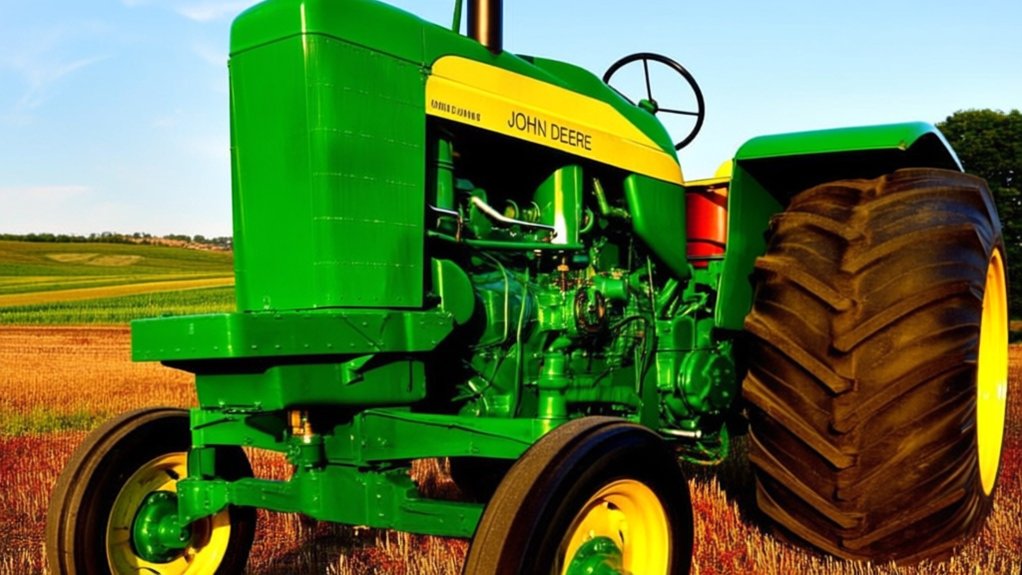
Are John Deere Tractors Reliable?
You can count on John Deere tractors for reliable, durable performance in tough farm and construction conditions. They combine robust engines, advanced technology, and quality materials to minimize downtime and boost productivity. While they may come at a slightly higher cost, their strong dealer support and proven models like the 5E and 7R series help guarantee lasting value. If you want to understand how to maximize their lifespan and know when alternatives might suit you better, there’s more to explore.
Key Takeaways
- John Deere tractors are renowned for their durability and dependable performance across various farming and construction conditions.
- Their engines feature advanced technology ensuring high torque and fuel efficiency for demanding tasks.
- Common issues include electrical glitches and hydraulic leaks, but regular maintenance mitigates these problems.
- Extensive dealer networks offer expert support, genuine parts, and warranty coverage to enhance reliability.
- While slightly more expensive, John Deere tractors balance cost with long-term durability and strong resale value.
Why John Deere Tractors Are Known for Reliability
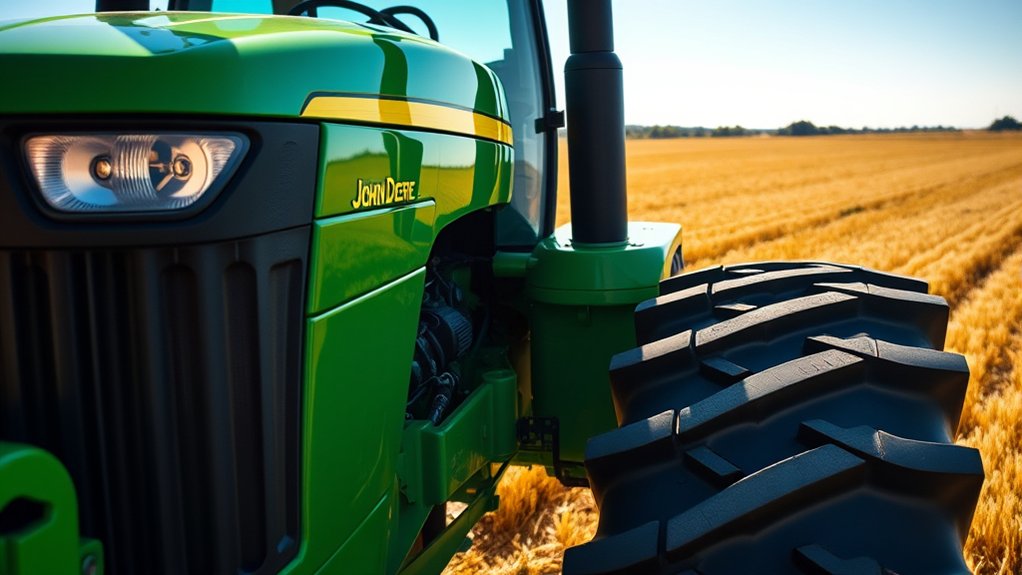
Although many tractor brands compete in the market, John Deere stands out because it consistently delivers durable and dependable machines.
Among many competitors, John Deere stands out for its durable, dependable tractors you can always trust.
When you choose a John Deere tractor, you’re investing in a brand with a long history of engineering excellence. These tractors have earned a reputation for reliability thanks to rigorous testing and quality control throughout production.
You’ll notice that they perform well under various conditions, from tough farm fields to demanding construction sites.
John Deere’s commitment to customer satisfaction means you get a machine designed to minimize downtime and maximize productivity.
When you rely on these tractors, you’re choosing equipment that won’t let you down, helping you get the job done efficiently day after day.
Key Features That Enhance John Deere Tractor Durability
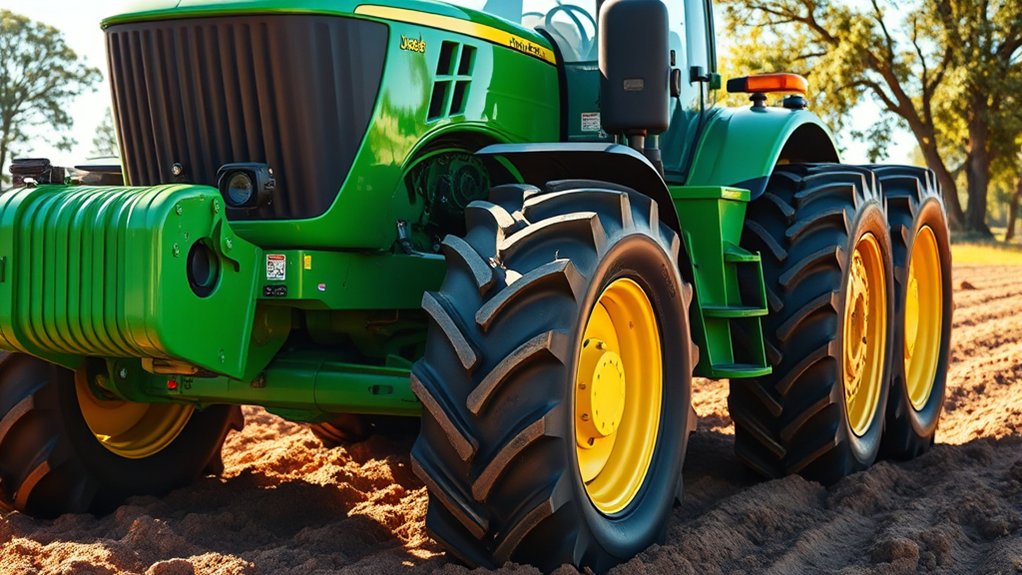
You’ll appreciate how John Deere tractors combine robust engine performance with advanced build materials to boost durability. These features help your tractor handle tough jobs without breaking down.
Let’s explore how they work together to keep your machine reliable for the long haul.
Robust Engine Performance
When you rely on a John Deere tractor, its robust engine performance stands out as a key factor in its durability. You’ll find engines designed to deliver consistent power, fuel efficiency, and long service life, no matter the task. These engines incorporate advanced fuel injection systems and cooling technologies that reduce wear and maintain ideal operation under heavy loads. Regular maintenance is simple, helping you keep the engine running smoothly over years of use.
| Feature | Benefit |
|---|---|
| High-Torque Output | Handles tough workloads |
| Efficient Fuel System | Lowers operational costs |
| Advanced Cooling | Prevents overheating |
| Durable Components | Extends engine lifespan |
| Easy Maintenance | Reduces downtime |
This combination ensures your tractor stays dependable through demanding seasons.
Advanced Build Materials
Since John Deere tractors face tough conditions daily, their durability starts with the advanced materials used in their construction. You’ll find high-strength steel frames that resist warping and cracking, ensuring the tractor holds up under heavy loads.
The use of corrosion-resistant alloys protects essential components from rust, especially in wet or muddy environments. John Deere also incorporates reinforced plastics and composite materials in non-structural parts, reducing weight without sacrificing toughness.
These choices mean your tractor can endure harsh weather and rough terrain while maintaining peak performance. By relying on these advanced build materials, John Deere guarantees a machine that won’t let you down, no matter how demanding the job gets on your farm or worksite.
John Deere Engine Performance in Tough Conditions
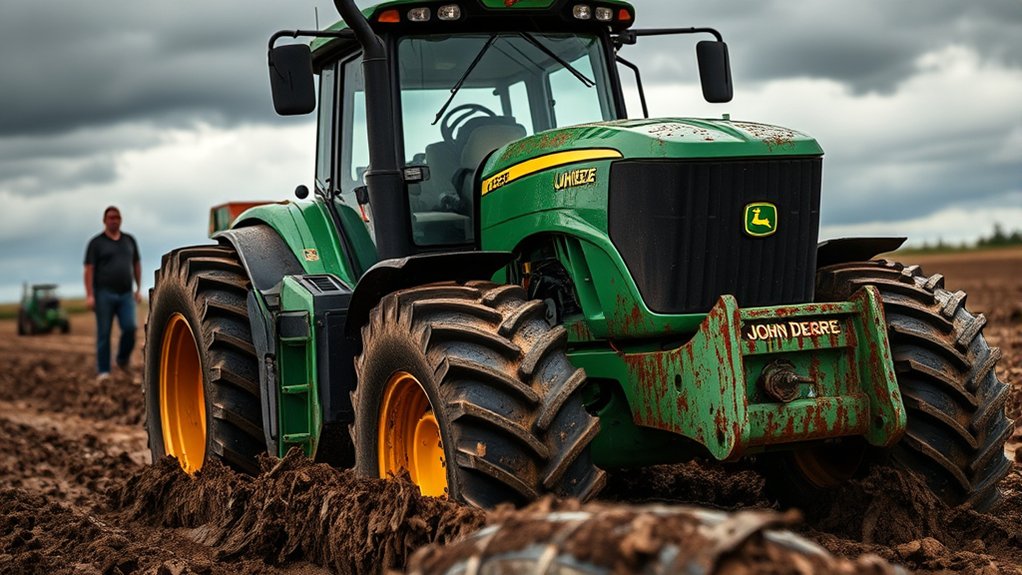
When you’re working in tough conditions, you need an engine that can handle heavy loads without breaking a sweat. John Deere engines are designed to deliver reliable power while keeping fuel consumption efficient across your fields.
Let’s explore how this balance impacts your tractor’s overall performance.
Durability Under Heavy Load
Although heavy loads push tractors to their limits, John Deere engines consistently deliver strong performance without faltering. When you rely on your tractor for demanding tasks, its durability under stress becomes essential.
John Deere’s engineering guarantees your equipment withstands tough conditions, letting you work longer without breakdowns.
Here’s what you can expect from their durability under heavy load:
- Robust engine components designed to resist wear and tear
- Advanced cooling systems preventing overheating
- High torque output for sustained power delivery
- Reinforced transmission built to handle strain
- Precision manufacturing minimizing mechanical failure risks
With these features, you’ll experience dependable performance that keeps your operations running smoothly, even when the work gets tough.
Fuel Efficiency in Fields
John Deere’s robust design doesn’t just handle heavy loads—it also optimizes fuel use during those demanding tasks. When you’re working long hours in tough field conditions, you need an engine that balances power with efficiency.
John Deere tractors use advanced fuel management systems that adjust fuel delivery based on workload, helping you save on fuel without sacrificing performance. You’ll notice the difference during extended operations, as the engine maintains steady power while consuming less fuel.
Plus, features like auto-idle and intelligent power management reduce unnecessary fuel burn when you’re paused or working at low speeds. This means you can cover more ground per gallon, lowering your overall operating costs and keeping your farm productive even in challenging conditions.
How John Deere’s Technology Supports Tractor Reliability
Because technology plays a crucial role in modern farming, John Deere integrates advanced systems that boost tractor reliability and performance. When you choose John Deere, you benefit from innovations designed to minimize downtime and optimize functionality. Their technology makes it easier for you to maintain peak operation in tough conditions.
Key features supporting reliability include:
- Precision Ag Technology for accurate operations and reduced wear
- JDLink™ telematics to monitor tractor health remotely
- Advanced diagnostics for early issue detection
- Durable engine management systems ensuring consistent power
- Automated maintenance alerts to keep you ahead of repairs
These technologies work together to help you trust your tractor on every job, ensuring it stays dependable season after season.
Real User Experiences With John Deere Tractor Reliability
You’ve probably heard about common reliability issues John Deere users face, like electrical glitches or hydraulic leaks. But hearing from owners who’ve relied on their tractors for years can give you a clearer picture of long-term performance.
Let’s look at what real users say about how these machines hold up over time.
Common Reliability Issues
Although many owners appreciate the durability of Deere tractors, several common reliability issues have surfaced in real user experiences. When you rely on your tractor daily, these problems can disrupt your work and add unexpected repair costs. Knowing what to watch for helps you address concerns before they escalate.
Here are five common issues users report:
- Electrical system glitches causing intermittent faults
- Hydraulic leaks affecting performance and efficiency
- Transmission problems leading to gear slipping or hesitation
- Fuel injection system malfunctions reducing engine power
- Sensor failures triggering error codes and unexpected shutdowns
Being aware of these issues lets you maintain your John Deere tractor proactively, ensuring it stays dependable when you need it most.
Long-Term Performance Insights
When you rely on a John Deere tractor over many years, real user experiences reveal how well these machines hold up under consistent use. Many owners report strong engine durability and dependable hydraulics, even after thousands of operating hours.
Users appreciate the solid build quality and the brand’s commitment to parts availability, which helps keep downtime minimal. However, some note that regular maintenance is essential to prevent issues common to aging equipment, like electrical glitches or wear in transmission components.
Common John Deere Tractor Issues Owners Report
While John Deere tractors are known for their durability, owners sometimes face specific issues that can affect performance and convenience. You might encounter problems that range from minor annoyances to more serious mechanical concerns. Being aware of these common issues helps you prepare and address them promptly.
Here are five frequent problems reported by John Deere tractor owners:
- Electrical system glitches, including battery drain and wiring faults
- Hydraulic leaks affecting lifting and steering functions
- Fuel system clogs causing engine hesitation or stalling
- Transmission troubles such as difficulty shifting gears
- Overheating issues related to radiator clogging or cooling system failures
Knowing these challenges allows you to stay vigilant and minimize downtime by spotting symptoms early.
Essential Maintenance for Reliable John Deere Tractors
Recognizing common issues like electrical glitches or hydraulic leaks means you can take steps to keep your John Deere tractor running smoothly. Start by regularly checking fluid levels—engine oil, coolant, and hydraulic fluid—to avoid overheating and component wear.
Change oil and filters as recommended to maintain engine health. Inspect belts and hoses for cracks or wear, replacing them promptly to prevent breakdowns. Clean or replace air and fuel filters to ensure efficient fuel combustion.
Grease all fittings and pivot points to reduce friction and extend part life. Also, keep battery terminals clean and secure to avoid electrical problems.
How John Deere’s Warranty Protects Your Tractor Investment
How does John Deere guarantee your investment stays protected? Their warranty offers you peace of mind by covering key components and unexpected repairs, making sure your tractor keeps performing at its best.
When you buy a John Deere, you’re backed by thorough support designed to minimize downtime and repair costs.
Here’s how their warranty protects you:
- Covers major engine and transmission parts against defects
- Provides labor coverage for authorized repairs
- Includes a limited warranty on attachments and implements
- Offers options for extended warranty plans tailored to your needs
- Ensures that genuine John Deere parts are used for all warranty repairs
With these protections, you can focus on your work, confident that John Deere stands behind your tractor investment.
How Dealer Support Helps Your John Deere Tractor Last Longer
A reliable dealer network plays an essential role in keeping your John Deere tractor running smoothly for years. When you work with authorized dealers, you gain access to expert technicians who understand your tractor inside and out. They provide timely maintenance, genuine parts, and quick repairs, preventing minor issues from turning into costly problems.
Plus, dealers offer personalized service and guidance tailored to your specific model and usage. They can recommend the best maintenance schedule and upgrades, helping you maximize performance and lifespan.
Having local dealer support also means you get faster response times and less downtime. By relying on dealer expertise, you guarantee your John Deere tractor stays in peak condition, saving you money and stress over the long haul.
How John Deere Tractors Compare to Other Brands
When you’re choosing a tractor, comparing John Deere to other brands can help you find the best fit for your needs.
John Deere stands out for its durability and advanced technology, but other brands might offer different advantages depending on your priorities.
John Deere excels in durability and technology, while other brands may better suit specific needs.
Here’s how John Deere stacks up:
- Build quality: John Deere tractors often feature robust construction.
- Technology: They offer cutting-edge precision farming tools.
- Fuel efficiency: Some competitors provide more fuel-efficient models.
- Price point: John Deere tends to be pricier than brands like Kubota or Massey Ferguson.
- Dealer network: John Deere has an extensive dealer and service network.
Best John Deere Models for Long-Term Reliability
Although John Deere offers a wide range of tractors, some models have proven to deliver exceptional long-term reliability. If you want a dependable workhorse, the John Deere 5E Series is a solid choice, known for its durability and ease of maintenance.
For larger tasks, the 7R Series stands out with robust engines and advanced technology that hold up well over time. The classic John Deere 3020 remains popular among enthusiasts for its simplicity and lasting performance.
Choosing these models means you’ll spend less time on repairs and more time getting the job done. By focusing on proven models like these, you can trust your tractor to perform efficiently season after season, making a long-term investment in your farm’s productivity.
Deciding If a John Deere Tractor Fits Your Farm
You need to take into account your farm’s size when choosing a John Deere tractor to ensure it matches your workload.
Think about the types of crops you grow and the terrain you work on, as these factors impact which model suits you best.
Matching these needs helps you get the most reliable performance from your tractor.
Farm Size Compatibility
Deciding if a John Deere tractor fits your farm depends largely on the size and scope of your operations. Whether you manage a small family farm or a vast commercial enterprise, John Deere offers models tailored to various scales. You’ll want to weigh:
- Tractor horsepower matching your acreage
- Fuel efficiency relative to daily usage
- Compatibility with existing attachments and implements
- Ease of maintenance for your operation’s scale
- Availability of dealer support in your region
If your farm is on the smaller side, compact models provide maneuverability without sacrificing power.
Larger farms benefit from high-horsepower tractors designed for extended hours and heavy workloads. Knowing your farm’s size helps you select a John Deere tractor that balances performance and cost-effectiveness, ensuring it reliably supports your daily tasks.
Crop and Terrain Needs
When selecting a John Deere tractor, considering the specific crops you grow and the terrain you work on is essential. Different crops require varying equipment attachments, so you’ll want a tractor compatible with your planting, cultivating, and harvesting needs.
For example, row crops like corn or soybeans benefit from tractors with precision farming technology and appropriate horsepower. Meanwhile, if you’re managing orchards or vineyards, a more compact, maneuverable model might suit you better.
Terrain also plays a critical role. If your land is hilly or uneven, you’ll need a tractor with excellent stability and traction. John Deere offers models with four-wheel drive and advanced suspension systems to handle tough ground conditions.
Matching your tractor to both crop and terrain guarantees efficient, reliable performance season after season.
When to Consider Alternatives to John Deere Tractors
Although John Deere tractors are known for their durability and performance, there are situations where exploring other brands makes sense. You might want to consider alternatives if your budget is tight, as John Deere models can be pricey.
Additionally, if you need specific features or attachments that John Deere doesn’t offer, looking elsewhere is wise. Sometimes, local dealer support is limited, making maintenance harder.
You may also want a tractor better suited for unique terrain or specialized tasks that John Deere doesn’t cover well. In the end, if you prefer a brand with a different design or technology approach, exploring options is beneficial.
- Budget constraints and cost-effectiveness
- Specialized attachments or features unavailable in John Deere
- Limited local dealer or service support
- Tractors designed for unique terrain or tasks
- Preference for alternative technology or design
Tips to Maximize Your John Deere Tractor’s Lifespan
If you choose to stick with a John Deere tractor, taking steps to maintain it properly will help you get the most out of your investment. Start by following the manufacturer’s recommended service schedule—regular oil changes, filter replacements, and fluid checks are essential.
Proper maintenance and following the service schedule maximize your John Deere tractor’s performance and longevity.
Keep your tractor clean to prevent dirt buildup that can cause wear. Inspect tires and hydraulic lines frequently to catch problems early.
Store your tractor in a sheltered area to protect it from harsh weather. Use genuine John Deere parts for repairs to ensure compatibility and durability.
Ultimately, get familiar with your tractor’s manual and address any unusual noises or performance issues immediately.
Consistent care will extend your tractor’s lifespan and keep it running reliably for years.
Frequently Asked Questions
What Financing Options Are Available for Purchasing John Deere Tractors?
You can get financing through John Deere Financial, offering flexible loans and lease options. They often provide competitive rates, seasonal payment plans, and special promotions to fit your budget, making purchasing your tractor easier and more affordable.
Can John Deere Tractors Be Used for Landscaping and Lawn Care?
You can definitely use John Deere tractors for landscaping and lawn care—they’re versatile! In fact, over 70% of small-scale landscapers choose John Deere for its powerful performance and wide range of attachments, making your job easier and faster.
What Are the Environmental Impacts of Using John Deere Tractors?
You’ll find John Deere tractors emit greenhouse gases and consume fuel, impacting air quality. However, newer models use efficient engines and offer electric options, helping you reduce your environmental footprint while maintaining powerful performance on your land.
Are John Deere Tractors Compatible With Third-Party Attachments?
When you attach a Bobcat loader to your John Deere tractor, you’ll see they’re generally compatible, though some third-party tools might need adapters or software updates. You’ll want to check specific models for seamless integration before buying.
How Do John Deere Tractors Perform in Extreme Cold Weather?
You’ll find John Deere tractors handle extreme cold well, thanks to features like cold-start engines and fuel heaters. Just make sure to use proper winter-grade oil and keep batteries charged for smooth performance in freezing conditions.
Conclusion
When you choose a John Deere tractor, you’re planting seeds of reliability that grow strong roots in tough soil. Its durable engine and smart technology act like a sturdy backbone, giving you the strength to tackle any field challenge. Just like a well-tended crop, your tractor thrives with care and regular upkeep. If you nurture it right, your John Deere will keep running like a finely tuned machine, season after season, year after year.