How Much Oil Does a Lawn Mower Hold?
You’ll typically need between 16 and 20 ounces of oil for a push lawn mower and 48 to 64 ounces (1.5 to 2 quarts) for a riding mower, but amounts vary by model. Always check your manual for the exact oil capacity and recommended type, like 10W-30 or synthetic options. Using the right amount guarantees engine protection and ensures smooth performance. Keep an eye out for proper oil care and maintenance to keep your mower running strong.
Key Takeaways
- Push lawn mowers typically hold 16-20 ounces of oil depending on model and engine size.
- Riding lawn mowers require about 48-64 ounces (1.5-2 quarts) of oil.
- Always check the mower’s manual for the exact oil capacity and recommended oil type.
- Using the correct oil viscosity, like 10W-30 or 5W-30, ensures proper engine lubrication.
- Overfilling or underfilling oil can cause engine damage, so maintain oil levels between “Full” and “Add” marks.
How Much Oil Does a Typical Push Lawn Mower Hold?
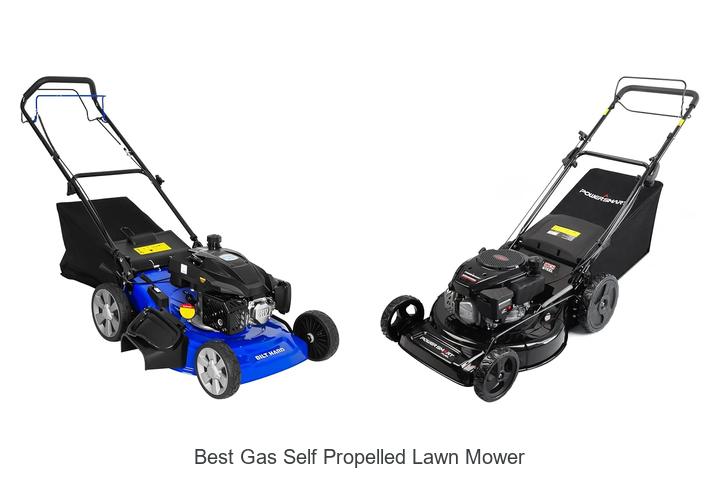
Although the exact amount varies by model, a typical push lawn mower usually holds between 16 to 20 ounces of oil.
A typical push lawn mower holds about 16 to 20 ounces of oil, varying by model.
When you’re checking or changing the oil, it’s important to use the right amount to keep your mower running smoothly.
Too little oil can cause engine damage, while too much can lead to smoking and poor performance.
Most push mowers have a dipstick or a fill cap that indicates the correct oil level.
You’ll want to make sure the oil is clean and at the recommended level before starting your mower.
Always refer to your mower’s manual for the specific oil capacity and type recommended.
How Much Oil Does a Riding Lawn Mower Need?
Push lawn mowers typically hold between 16 to 20 ounces of oil, but riding lawn mowers require a different amount due to their larger engines.
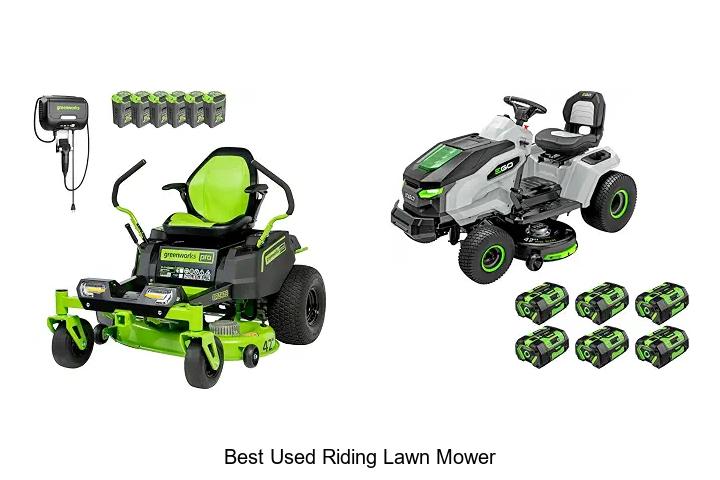
Most riding lawn mowers need between 48 to 64 ounces (1.5 to 2 quarts) of oil. The bigger engine size means more oil is necessary to keep all parts lubricated and running smoothly.
When you check or change the oil, make sure to add the correct amount to avoid overfilling, which can cause engine damage.
Using the right oil type and quantity helps your mower perform efficiently and last longer.
How to Find Your Lawn Mower’s Exact Oil Capacity
To find your lawn mower’s exact oil capacity, you’ll need to check the owner’s manual or the manufacturer’s website first. These sources provide the most accurate information specific to your model.
If you don’t have the manual handy, look for a model number on the mower, usually near the engine or under the seat, then search online using that number. Some manufacturers also include oil capacity details on a label near the oil fill cap or dipstick.
Additionally, you can contact customer support for precise guidance. Avoid guessing the amount, as overfilling or underfilling can cause engine issues.
Why Using the Right Amount of Oil Matters
Why does using the right amount of oil in your lawn mower matter so much? Too little oil won’t properly lubricate the engine parts, causing them to wear out faster and potentially leading to costly damage.
Using too little oil harms engine parts by reducing lubrication, leading to faster wear and expensive damage.
On the other hand, too much oil can cause the engine to flood, resulting in smoke, poor performance, or even engine failure. By using the correct oil level, you guarantee your mower runs smoothly, efficiently, and lasts longer.
Proper oil levels also help maintain ideal engine temperature, preventing overheating. Taking the time to add just the right amount protects your investment and keeps your mowing routine hassle-free.
Ultimately, getting it right saves you from expensive repairs and extends your mower’s life.
How to Check Your Lawn Mower’s Oil Level Correctly
Before you start mowing, you’ll want to check your lawn mower’s oil level to guarantee the engine runs smoothly. Begin by parking your mower on a level surface and turning off the engine. Wait a few minutes to let the oil settle.
Then, locate the oil dipstick, usually near the engine.
Follow these steps to check the oil correctly:
- Unscrew and wipe the dipstick clean with a rag or paper towel.
- Reinsert the dipstick fully, then pull it out again to check the oil level.
- Ensure the oil level falls between the “Full” and “Add” marks.
If the oil is low, add the recommended type gradually. Checking regularly keeps your mower running efficiently.
When and How Often Should You Change Lawn Mower Oil
Regularly checking your lawn mower’s oil level helps you spot when it’s running low, but knowing when to change the oil entirely is just as vital. Typically, you should change the oil after every 25 to 50 hours of use, or at least once every mowing season.
If you use your mower heavily or in dusty conditions, consider changing it more often. Fresh oil keeps the engine lubricated, prevents overheating, and extends your mower’s lifespan.
Also, changing the oil after the first five hours of new mower use is essential since initial break-in generates metal debris.
Pay attention to your mower’s manual for specific recommendations, as oil change intervals can vary by model and oil type. Staying on top of this maintenance keeps your mower running smoothly.
How to Change Your Lawn Mower Oil Step-by-Step
Changing your lawn mower oil might seem intimidating, but you can handle it quickly with the right steps. First, make sure your mower is on a flat surface and the engine is cool. Then, gather your supplies: a wrench, oil drain pan, fresh oil, and a funnel.
Here’s how to do it:
- Remove the oil fill cap and locate the drain plug underneath.
- Place the drain pan under the plug, loosen it with the wrench, and let the old oil drain completely.
- Tighten the drain plug back, then use the funnel to pour in fresh oil up to the recommended level.
After replacing the oil cap, run the mower briefly to circulate the new oil, then check the level again and adjust if needed.
What’s the Best Oil Type for Your Lawn Mower?
Choosing the right oil type for your lawn mower depends on the recommended viscosity and whether you prefer synthetic or conventional oil.
You’ll also want to take into account the season, as some oils perform better in cold or hot temperatures.
Let’s look at how these factors affect your mower’s performance.
Recommended Oil Viscosity
Although it might seem minor, selecting the right oil viscosity can greatly impact your lawn mower’s performance and longevity. The viscosity rating tells you how thick or thin the oil is at certain temperatures, affecting how well it lubricates your engine. Using the wrong viscosity can cause excessive wear or poor starting.
Here’s what you should keep in mind for your lawn mower oil viscosity:
- 10W-30: Ideal for most lawn mowers in moderate climates, offering balanced protection.
- 5W-30: Better for colder environments, ensuring easier starts in low temperatures.
- 30 Weight: Suitable for warmer weather and older mower models, providing thicker lubrication.
Always check your mower’s manual to confirm the recommended viscosity for best results.
Synthetic Vs. Conventional Oil
When you’re deciding on the best oil for your lawn mower, understanding the differences between synthetic and conventional oil is essential.
Synthetic oil offers superior protection, especially in extreme temperatures, because it resists breakdown and maintains consistent viscosity. It also helps your engine run cleaner by reducing sludge buildup.
Conventional oil is more affordable and works well for regular mowing under typical conditions. However, it breaks down faster and may require more frequent changes.
If you want longer engine life and better performance, synthetic is often the better choice. But if you mow occasionally and want to save money, conventional oil will do the job.
Always check your mower’s manual, as some engines are designed specifically for one type or the other.
Seasonal Oil Selection
Since your lawn mower faces different temperatures throughout the year, selecting the right oil for each season can make a big difference in performance and engine longevity.
Cold weather thickens oil, making it harder for the engine to start, while hot weather thins it, reducing lubrication efficiency.
To keep your mower running smoothly, consider these seasonal oil tips:
- Use a lighter oil (like 5W-30) in colder months for easier starts and better flow.
- Switch to a thicker oil (such as 10W-30) during warmer months to maintain proper lubrication.
- Refer to your mower’s manual for specific recommendations, as some engines perform best with a particular viscosity year-round.
Choosing the right oil seasonally helps protect your engine and guarantees ideal mowing performance.
Signs of Oil Problems in Your Lawn Mower
If you notice your lawn mower is running roughly or making unusual noises, it could be a sign that the oil isn’t doing its job properly. You might also see smoke coming from the exhaust or notice the engine overheating. These symptoms often point to dirty, low, or contaminated oil.
Additionally, if the mower struggles to start or stalls frequently, oil issues could be the culprit. Check the oil level and quality regularly; dark, gritty oil means it’s time for a change.
Leaks around the oil cap or drain plug are another red flag. Catching these signs early helps prevent engine damage and keeps your mower running smoothly.
Don’t ignore these warning signals—they’re your mower’s way of asking for attention.
How Overfilling or Underfilling Oil Can Damage Your Mower
You’ll want to avoid overfilling your mower’s oil because it can cause engine leaks and smoke.
On the other hand, running with low oil can lead to overheating and serious engine damage.
Keeping the oil at the right level is key to making sure your mower runs smoothly.
Risks Of Overfilling Oil
Although it might seem minor, overfilling or underfilling your lawn mower’s oil can cause serious damage. When you add too much oil, it can lead to increased pressure inside the engine, causing oil to leak into places it shouldn’t. This disrupts the mower’s performance and can damage internal parts.
Here are a few risks of overfilling oil:
- Foaming: Excess oil aerates, reducing lubrication effectiveness and increasing wear.
- Smoke: Burnt oil creates blue smoke, indicating engine trouble.
- Hydro-lock: Too much oil can flood the combustion chamber, preventing the engine from turning over.
Always check the dipstick and stick to recommended oil levels to keep your mower running smoothly and avoid costly repairs.
Consequences Of Low Oil
Why does low oil pose such a threat to your lawn mower? When oil levels drop too low, your mower’s engine doesn’t get enough lubrication. This causes metal parts to grind against each other, leading to excessive wear and overheating.
Without proper lubrication, friction increases, which can cause engine components to warp or seize up entirely. Running your mower with insufficient oil may result in costly repairs or even complete engine failure.
To avoid this, always check the oil level before use and top it up as needed. Remember, underfilling oil is just as harmful as overfilling.
Keeping the right oil balance guarantees your mower runs smoothly and lasts longer, saving you time and money in the long run.
How to Store Your Lawn Mower to Protect the Oil System
When storing your lawn mower, protecting the oil system starts with proper preparation. You want to guarantee the oil stays clean and the engine parts don’t corrode during downtime. Begin by running the mower for a few minutes to warm the oil—this helps it drain more completely.
Properly warm your mower’s oil before storage to keep it clean and prevent engine corrosion.
Then, drain the old oil and replace it with fresh oil to avoid sludge buildup.
To keep your oil system safe, follow these tips:
- Store the mower in a dry, sheltered area to prevent moisture damage.
- Use a fuel stabilizer to avoid fuel breakdown that can affect oil quality.
- Tilt the mower gently on its side (air filter up) if you need to save space, preventing oil from leaking into unwanted areas.
These steps keep your mower’s oil system in top shape.
Frequently Asked Questions
Can I Use Automotive Oil in My Lawn Mower?
You can use automotive oil in your lawn mower if it meets the manufacturer’s specifications, usually SAE 30. Avoid synthetic oils unless recommended, and always check your mower’s manual to keep the engine running smoothly.
How Do Synthetic Oils Compare to Conventional Oils for Lawn Mowers?
Synthetic oils last longer and handle heat better than conventional oils, so you’ll get improved engine protection and efficiency. They also flow smoothly in cold weather, making startup easier. They cost more but offer better performance overall.
What Should I Do if My Lawn Mower Leaks Oil?
When your lawn mower leaks oil, don’t let it pour like a waterfall unchecked. You should first clean the area, check for loose bolts or damaged seals, and replace or repair parts promptly to avoid bigger problems.
Can Cold Weather Affect Lawn Mower Oil Performance?
Yes, cold weather can thicken your lawn mower oil, making it harder for the engine to start and run smoothly. You’ll want to use a winter-grade oil or synthetic blend to keep performance steady in low temperatures.
Is It Safe to Dispose of Old Lawn Mower Oil at Home?
No, you shouldn’t dispose of old lawn mower oil at home. It’s hazardous and pollutes the environment. Instead, take it to a recycling center or hazardous waste facility where they handle it safely and responsibly.
Conclusion
Now that you know how much oil your lawn mower needs, remember: “A stitch in time prevents nine.” Keeping the right oil level ensures your mower runs smoothly and lasts longer. Don’t overfill or underfill—both can cause damage. Regularly check the oil, use the recommended type, and store your mower properly. With these simple steps, you’ll keep your mower in top shape, ready to tackle your lawn whenever you need it.