3 Key Facts About How Many Decibels a Lawn Mower Produces
Your lawn mower typically produces between 70 and 95 decibels, depending on whether it’s electric or gas-powered. Electric mowers are quieter, usually ranging from 70 to 85 decibels, while gas mowers can reach up to 95 decibels or more. Noise levels above 85 decibels mean you should protect your hearing, especially during longer use. Discovering how to reduce noise without losing power can help keep your ears safe and your neighbors happy.
Key Takeaways
- Gas-powered lawn mowers typically produce noise levels between 85 and 95 decibels.
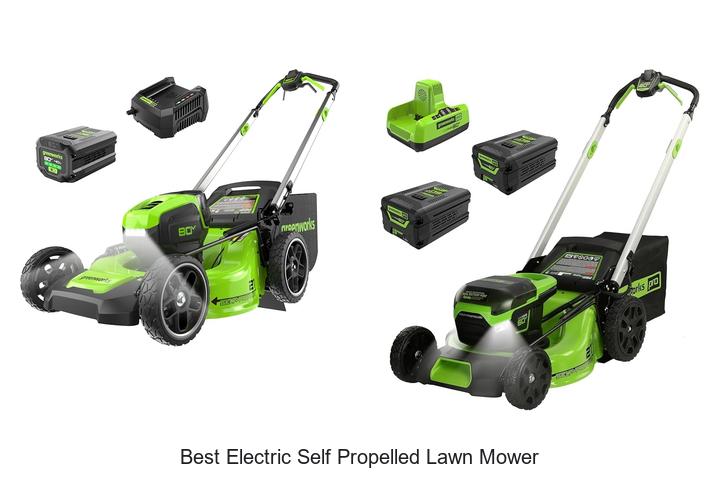
- Electric mowers are generally quieter, ranging from 70 to 85 decibels.
- Riding and commercial mowers can exceed 100 decibels, posing higher noise exposure risks.
- Noise levels vary based on engine size, mower design, and distance from the operator.
- Neighborhood noise regulations often limit lawn mower sound to a maximum of 85 decibels during daytime.
How Loud Is Your Lawn Mower? Typical Noise Levels Explained
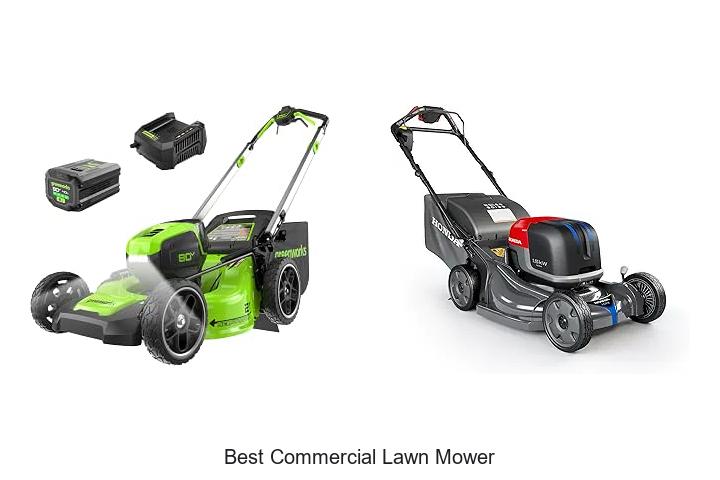
Although lawn mowers come in various types and models, they all produce noise levels that can affect your comfort and hearing. Typically, gas-powered mowers generate between 85 and 95 decibels, which can be quite loud.
Electric mowers tend to be quieter, often ranging from 70 to 85 decibels. Riding mowers and commercial-grade equipment can exceed 100 decibels, making them especially noisy.
When you’re mowing, the noise intensity depends on factors like engine size, mower design, and how close you’re to the machine. Even within the same type, different brands and conditions can cause variations.
Understanding these typical noise levels helps you anticipate how loud your mower might be during use and prepare accordingly to protect your comfort and hearing.
What Noise Levels Are Safe for Your Hearing and Neighbors?
Because prolonged exposure to loud noises can damage your hearing, it’s important to know which noise levels are safe when using a lawn mower. You want to protect your ears and avoid disturbing your neighbors. Here’s a quick guide:
- Below 70 dB: Generally safe for prolonged exposure without hearing protection.
- 70-85 dB: Use ear protection if you mow for more than an hour.
- Above 85 dB: Hearing protection is a must, even for short periods.
- Noise regulations: Many neighborhoods limit lawn mower noise to around 85 dB during daytime hours.
Knowing these levels helps you mow responsibly, keeping your hearing intact and your neighbors happy. Always check your mower’s noise rating and follow local noise ordinances.
How to Reduce Lawn Mower Noise Levels Without Losing Power
When you want to keep your lawn mower quieter without sacrificing performance, there are several effective steps you can take.
First, regularly maintain your mower by sharpening blades and tightening loose parts; this reduces vibrations and noise.
Consider upgrading to a mower with a muffler designed to cut down sound without limiting power.
You can also add sound-dampening materials around the engine housing to absorb noise.
Using synthetic oil instead of conventional oil helps the engine run smoother and quieter.
Additionally, mowing during cooler parts of the day can improve engine efficiency and reduce noise.
Finally, avoid cutting overly tall grass in one go, as this strains the mower and increases noise.
These tips help you enjoy a quieter lawn care routine without losing cutting power.
Frequently Asked Questions
How Do Electric Lawn Mowers Compare to Gas Ones in Noise Production?
Electric lawn mowers are quieter than gas ones, so you won’t have to deal with as much noise. They produce less vibration and noise pollution, making your mowing experience more peaceful and neighbor-friendly.
What Time of Day Is Best for Mowing to Minimize Noise Disturbance?
You should mow your lawn mid-morning or early afternoon when most people are awake and active. Avoid early mornings or late evenings to minimize noise disturbance and respect your neighbors’ quiet times.
Are There Specific Lawn Mower Brands Known for Quieter Operation?
Some standout silent sellers include Honda, Husqvarna, and EGO, known for quieter cutting. You’ll find these brands blend brilliant build with better noise control, letting you lawn-mow without much maddening mayhem.
How Often Should Lawn Mower Blades Be Maintained to Reduce Noise?
You should sharpen and balance your lawn mower blades at least once every 20-25 hours of use. Keeping them well-maintained reduces noise, improves cutting efficiency, and helps your mower run smoother overall.
Can Using Ear Protection Completely Prevent Hearing Damage From Mowers?
Think of ear protection as a sturdy shield—it can’t guarantee perfect defense, but it drastically lowers harm. You shouldn’t rely on it alone; combine it with breaks and quieter mowers to truly guard your hearing.
Conclusion
You might think all lawn mowers sound the same, but the decibel difference can surprise you. If you’re not careful, that noise could harm your hearing or annoy your neighbors more than you realize. The good news? You don’t have to sacrifice power to keep things quieter. What’s the secret to mowing efficiently without the roar? It’s closer than you think—once you know it, your yard and ears will thank you.