How Do You Double Clutch a Tractor Trailer in 10 Steps?
To double clutch a tractor trailer, first press the clutch and shift into neutral, then release the clutch while revving the engine to match RPMs. Press the clutch again, shift into the next gear smoothly, and release the clutch slowly. Timing your throttle blips is key to syncing engine and transmission speeds for smooth shifts. Avoid rushing or forcing gears, and practice on varied terrains to build confidence. Keep going to master precise techniques for safe, efficient driving.
Key Takeaways
- Press the clutch fully and shift into neutral to disengage the current gear.
- Release the clutch and rev the engine to match the RPM for the next gear.
- Press the clutch again and shift smoothly into the desired gear without forcing.
- Release the clutch slowly to engage the gear without grinding or jerking.
- Practice timing throttle blips and clutch control to synchronize engine and transmission speeds for smooth shifts.
What Is Double Clutching and Why It Matters
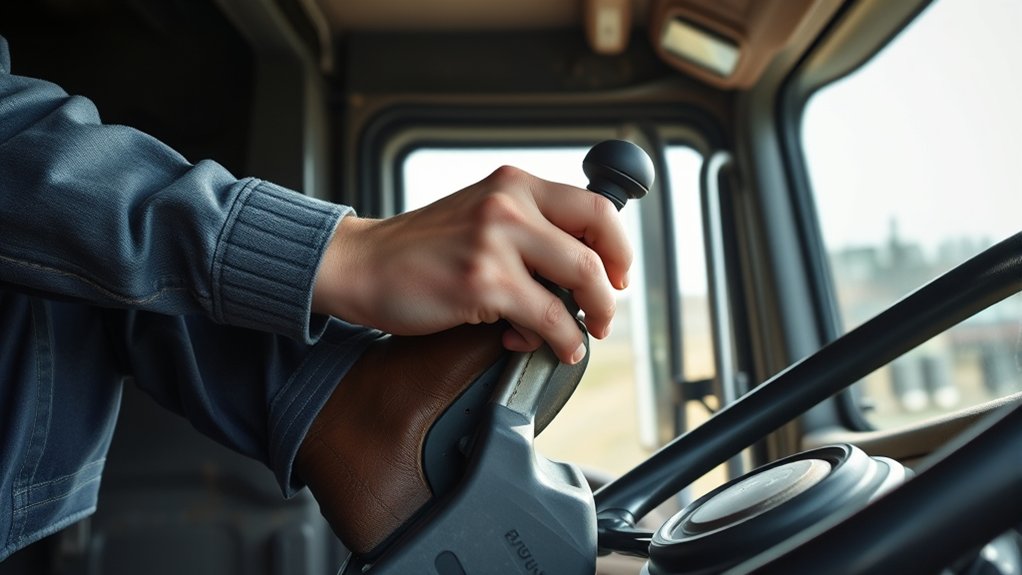
Although it might seem outdated with modern transmissions, double clutching remains an essential skill for driving a tractor trailer because it helps you shift gears smoothly and protect the truck’s drivetrain from damage.
When you double clutch, you first press the clutch and shift into neutral, then release the clutch and rev the engine to match the next gear’s speed. After that, you press the clutch again and shift into the desired gear.
This process prevents grinding and excessive wear on the transmission by synchronizing gear speeds. If you skip double clutching, you risk damaging the gearbox and causing costly repairs.
Mastering this technique gives you better control over the truck and improves your overall driving experience.
When Should You Double Clutch Your Tractor Trailer?
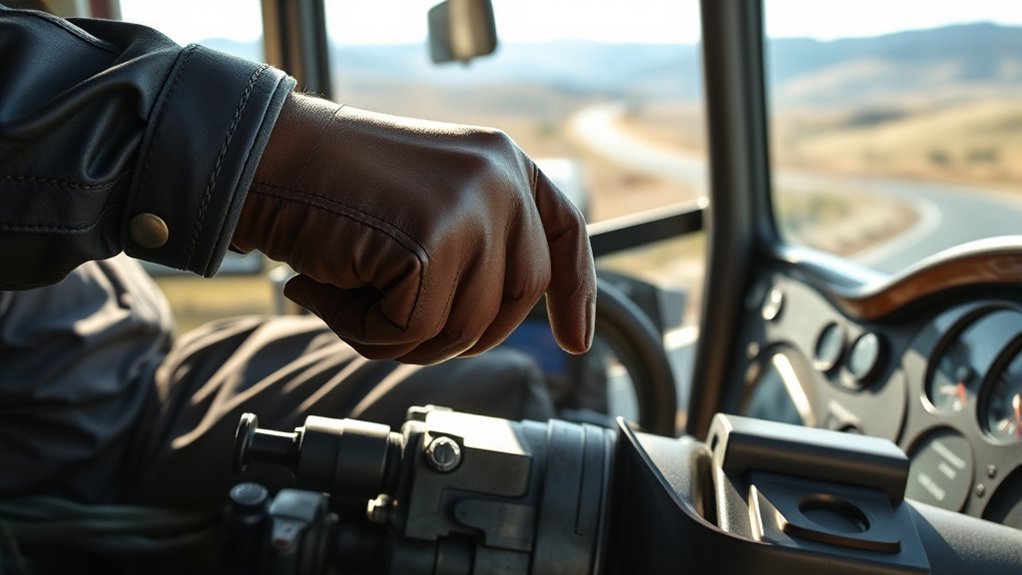
Because double clutching requires extra steps, you should use it primarily when shifting gears in a tractor trailer with a non-synchronized manual transmission. This method helps protect your transmission from wear and makes gear changes smoother, especially when downshifting or moving between gears that require precise matching. Avoid double clutching unnecessarily to prevent tiring yourself out.
Here’s when to double clutch:
| Situation | Reason |
|---|---|
| Shifting from 1st to 2nd | Avoid grinding due to low speed |
| Downshifting | Match engine RPM with lower gear |
| Moving between non-adjacent gears | Prevent transmission damage |
| Operating on hills | Maintain control and smoothness |
| When transmission feels rough | Reduce wear and noise |
Use it wisely to keep your tractor trailer running smoothly.
Prepare Your Tractor Trailer for Double Clutching
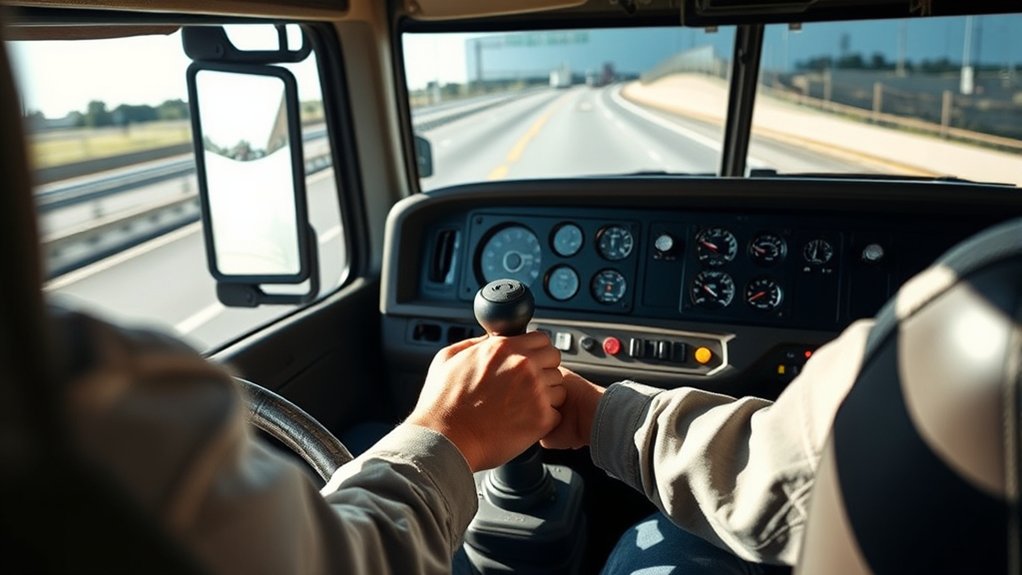
Before you start double clutching, make sure to inspect your transmission components for any signs of wear or damage. Check that your clutch pedal functions smoothly and responds properly.
These steps help guarantee your tractor trailer is ready for the technique.
Inspect Transmission Components
When you prepare to double clutch your tractor trailer, you need to thoroughly inspect the transmission components to guarantee smooth gear shifts. Skipping this step can lead to grinding gears or transmission damage.
Focus on these key areas to ensure everything’s in top shape:
- Transmission Fluid Level and Condition – Check the fluid for proper level and clarity. Dirty or low fluid affects gear engagement and can cause slipping.
- Shift Linkage – Inspect for wear, damage, or looseness. Faulty linkage can make gear changes rough or imprecise.
- Transmission Mounts – Look for cracks or excessive movement. Worn mounts can misalign the transmission, causing shift issues.
Check Clutch Pedal Function
After confirming your transmission components are in good shape, turn your attention to the clutch pedal. You need to make certain it operates smoothly and responds properly.
Press the pedal fully and release it slowly, feeling for any sticking or uneven resistance. If it feels spongy or too stiff, the clutch linkage might require adjustment or lubrication.
Check for any unusual noises or vibrations when you engage and disengage the pedal. Verify the pedal returns to its resting position promptly without hesitation.
A properly functioning clutch pedal is essential for double clutching because you’ll need precise control to disengage and re-engage gears smoothly.
Taking the time to verify your clutch pedal works flawlessly helps prevent gear grinding and guarantees a safer, more efficient double clutching process.
Press the Clutch and Shift Into Neutral When Double Clutching
Since smooth gear changes rely on properly timed clutch use, you’ll want to press the clutch fully before shifting the tractor trailer into neutral. This step prevents gear grinding and helps keep the transmission in good condition.
When you press the clutch, make sure you do so quickly and firmly to disengage the engine from the transmission.
Here’s how to do it:
- Press the clutch pedal all the way down with your left foot.
- Move the gear shift lever smoothly into the neutral position.
- Hold the clutch fully depressed while the transmission is in neutral.
Mastering this step sets you up for the next essential phase of double clutching, helping you maintain control and prolong transmission life.
Release the Clutch and Rev the Engine to Match RPMs
Once you release the clutch pedal, you’ll need to quickly rev the engine to match the transmission’s RPMs for the next gear. This step is essential because the transmission’s input shaft speed must align with the speed of the gear you’re about to engage.
To do this effectively, listen and feel for the engine’s sound and vibration as you give it a quick throttle burst. Adjust the throttle smoothly but promptly, increasing or decreasing RPMs as needed to reach the right speed.
If you don’t match the RPMs correctly, the gears will grind, causing wear and making shifting difficult. With practice, you’ll develop a feel for the engine’s response, making this step more intuitive and ensuring a smoother shift.
Press the Clutch Again and Shift Into the Next Gear
Now that you’ve matched the engine RPMs, press the clutch again at the right moment to avoid jerking.
Focus on selecting the correct gear that fits your speed and load. Timing here is key to keeping the shift smooth and controlled.
Timing the Clutch Press
As you prepare to move into the next gear, you’ll need to press the clutch again at just the right moment to guarantee a smooth changeover. Timing is essential because pressing too early or too late can cause grinding or damage.
Here’s how to get it right:
- Listen to the engine sound – When the RPM drops to the right range after the first clutch release, it’s time to press the clutch again.
- Feel the vehicle’s response – A slight drop in engine noise and a change in vehicle vibration indicate the perfect moment.
- Coordinate with your shift – Press the clutch firmly just before you move the gear lever into the next gear.
Mastering this timing ensures a seamless gear change and protects your transmission.
Selecting the Correct Gear
Although selecting the correct gear requires focus, pressing the clutch again and smoothly shifting into the next gear is essential for maintaining control and preventing transmission wear.
Once you’ve matched the engine speed during the first clutch release, press the clutch pedal again firmly. This second clutch press lets you disengage the transmission from the engine fully, giving you the chance to shift into the next gear without grinding.
Pay close attention to the gear pattern on your shift knob and feel for the gear’s engagement point. Shift deliberately but smoothly to avoid jolts or missed gears.
Once the gear is engaged, release the clutch gradually while applying power. Mastering this step helps your truck operate efficiently and extends the life of your transmission components.
Release the Clutch Slowly to Engage the Gear Smoothly
When you release the clutch slowly, you allow the gears to mesh smoothly, preventing unnecessary wear and jolts. This careful control helps maintain the longevity of your transmission and guarantees a comfortable ride.
To release the clutch smoothly:
- Feel the Bite Point – Slowly lift your foot until you sense the clutch beginning to engage.
- Gradually Increase Pressure – Ease off the clutch pedal steadily, avoiding sudden releases that cause jerks.
- Match Engine and Transmission Speed – Keep your RPMs steady as the clutch engages to sync the parts effortlessly.
Mastering this step helps you shift gears confidently, keeping your tractor trailer running smoothly and your cargo safe.
Practice Timing Your RPM Blips for Smooth Shifts
After you’ve mastered releasing the clutch smoothly, the next skill to hone is timing your RPM blips correctly. Blipping the throttle raises engine speed to match the transmission input shaft, ensuring gears mesh without grinding. Practice by listening to the engine’s response and coordinating your right foot on the accelerator with clutch engagement.
| RPM Level | When to Blip |
|---|---|
| Low RPM | When downshifting to a lower gear |
| Mid RPM | When shifting within the same range |
| High RPM | When upshifting smoothly |
| Idle RPM | When coming to a stop or neutral |
Perfecting this timing reduces wear and makes your shifts seamless, improving control and extending transmission life. Keep practicing to develop an intuitive feel for your truck’s engine response.
Mistakes to Avoid to Protect Your Transmission
To keep your transmission in top shape, you need to steer clear of common errors that cause unnecessary wear and damage. Double clutching requires precision, and avoiding these mistakes will extend your transmission’s life.
- Rushing Shifts: Don’t force gear changes. Wait for the engine speed to match the transmission before engaging the next gear.
- Ignoring RPM Blips: Skipping the proper throttle blip during double clutching leads to rough gear engagement and increased wear.
- Resting Your Hand on the Gear Shift: This adds constant pressure on the transmission components, causing premature wear.
Practice Double Clutching on Different Terrains to Build Confidence
Although mastering double clutching in a controlled environment is essential, practicing on various terrains will boost your confidence and adaptability. Each terrain challenges your timing and control differently, helping you fine-tune your technique. Start on flat pavement, then move to hills, gravel, mud, and uneven surfaces. This variety prepares you for real-world driving and builds muscle memory.
| Terrain | Feeling You’ll Experience |
|---|---|
| Flat Pavement | Confidence in smooth shifts |
| Hills | Empowered mastering uphill/downhill |
| Gravel | Alertness to traction changes |
| Mud | Patience with slippery control |
| Uneven Roads | Skill in adjusting quickly |
Face these challenges head-on, and you’ll handle any situation with ease, making your double clutching second nature.
Frequently Asked Questions
What Type of Transmission Does a Tractor Trailer Typically Have?
You’ll typically find tractor trailers equipped with manual transmissions, often 10, 13, or 18-speed. These let you control power and speed precisely, especially important for heavy loads and varying terrains you’ll encounter on the road.
Can Double Clutching Improve Fuel Efficiency?
Yes, double clutching can improve fuel efficiency by ensuring smoother gear shifts and reducing engine strain. When you double clutch, you help your tractor trailer maintain better momentum and avoid unnecessary fuel consumption during shifts.
Are There Alternatives to Double Clutching for Smooth Shifting?
Yes, you can use synchronized transmissions or automatic transmissions for smoother shifting without double clutching. You’ll also find techniques like rev-matching helpful to reduce wear and guarantee smoother gear changes while driving your tractor trailer.
How Does Weather Affect Double Clutching Techniques?
Like dancing on ice, slippery roads make you double clutch more gently to avoid jerks. Cold weather stiffens gears, so you’ll need smoother, slower shifts. Rain and snow demand extra care to keep shifts seamless.
Is Double Clutching Necessary for All Tractor Trailer Drivers?
You don’t always need to double clutch, especially with modern transmissions. But if you drive older trucks or want smoother gear shifts, mastering double clutching helps prevent wear and keeps your truck running efficiently.
Conclusion
Mastering double clutching feels like syncing your heartbeat to the hum of your tractor trailer’s engine. Each smooth shift is a dance—clutch pressed, RPMs rising, gears sliding in like a well-rehearsed song. With practice, your hands become steady, your timing sharp, and the road opens wide. Embrace the rhythm, avoid the jerks, and soon you’ll glide confidently through every gear, protecting your rig and making every drive a seamless journey.