How Does a Tractor Trailer Work?
You rely on a tractor trailer’s engine to generate power, while the transmission controls gear shifts for smooth movement. The tractor’s fifth wheel securely connects the trailer, allowing it to pivot safely. Steering systems help you guide the large vehicle precisely, and air brakes ensure reliable stopping. Regular maintenance keeps everything running efficiently and safely. If you want to better understand the key components and how they all work together, there’s more to explore.
Key Takeaways
- The tractor houses the engine and controls, while the trailer carries cargo, connected securely by a fifth wheel coupling for flexibility and safety.
- The engine powers the drivetrain through pistons, crankshaft, transmission, driveshaft, differential, and axles to move the vehicle’s wheels.
- Air brake systems use compressed air to activate brakes, ensuring reliable stopping and parking safety with spring brakes and regular inspections.
- The steering system, including power steering and linkage components, enables precise control and maneuverability of large loads.
- Proper cargo loading, safety features like ABS and stability control, and routine maintenance ensure safe, efficient tractor-trailer operation.
What Are the Main Parts of a Tractor Trailer?
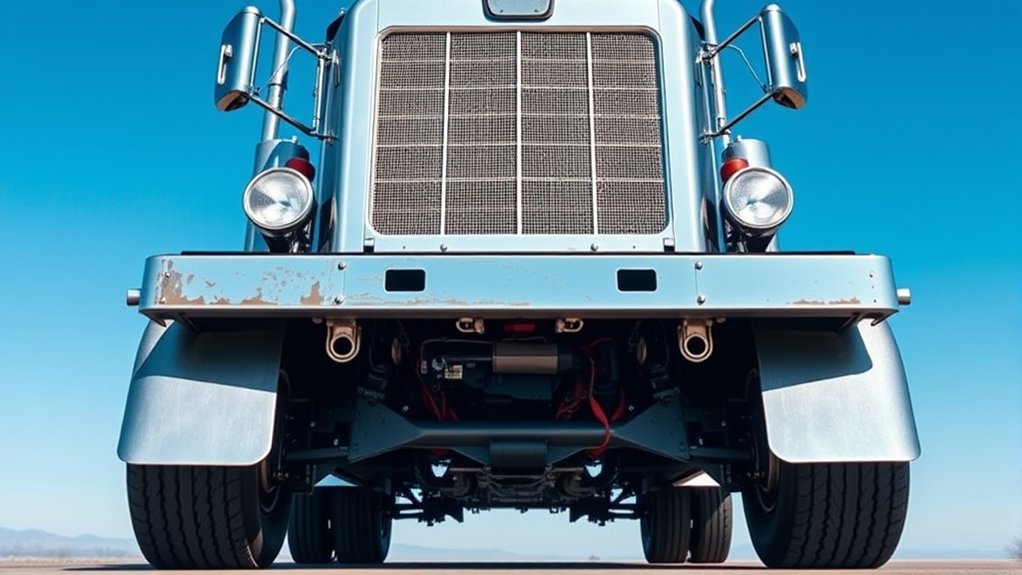
Before you delve into how a tractor trailer operates, it’s important to understand its main parts. You’ll find two primary components: the tractor and the trailer.
Understanding the main parts—the tractor and trailer—is key before exploring how a tractor trailer operates.
The tractor is the front part, housing the driver’s cab and controls. It’s where you’ll find the engine, transmission, and steering systems that help move and guide the vehicle.
The trailer is attached at the back, designed to carry cargo. You connect the trailer to the tractor using a fifth wheel coupling, which allows for flexibility during turns.
Other key parts include the wheels and brakes on both sections, essential for movement and safety.
Knowing these basics helps you grasp how the entire tractor trailer functions as one unit on the road.
How the Tractor Engine Powers a Tractor Trailer
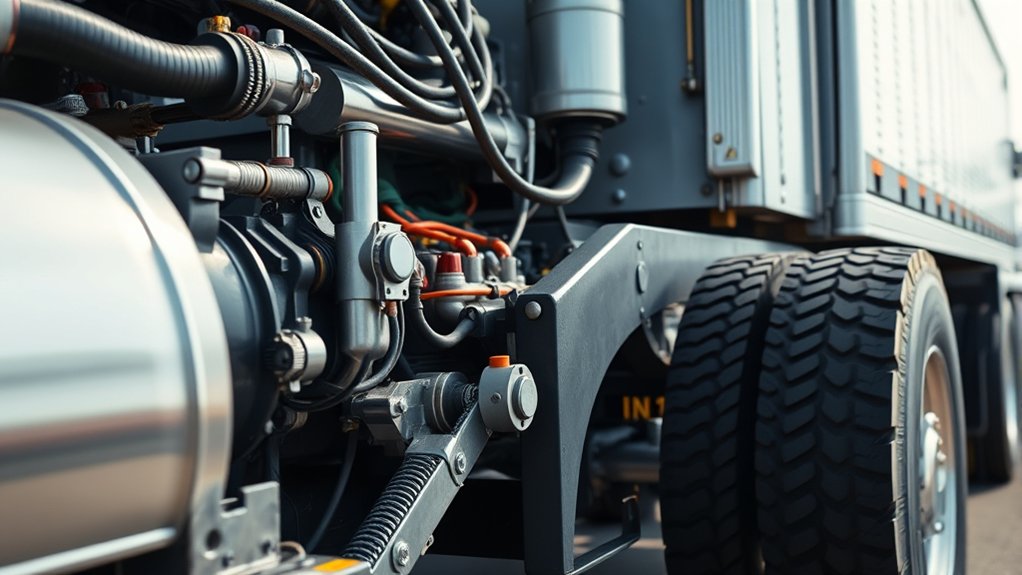
Now that you know the main parts of a tractor trailer, let’s look at how the engine powers it.
You’ll see how key components work together to generate and transfer power.
Understanding this process will help you grasp how the tractor moves such heavy loads efficiently.
Engine Components Overview
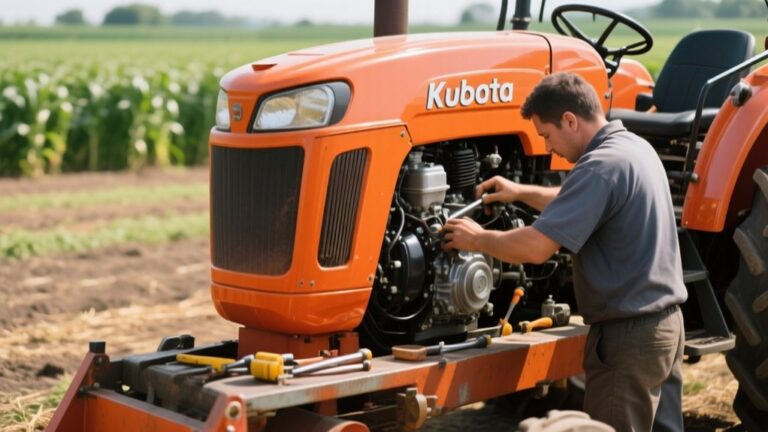
Although you might focus on the trailer, the tractor’s engine is the powerhouse that drives the entire rig. Inside, you’ll find several key components working together to generate the power needed.
The engine block houses cylinders where fuel combustion occurs, producing energy. The pistons move up and down within these cylinders, transferring force to the crankshaft. The camshaft controls valve timing, ensuring air and fuel enter and exhaust gases exit at the right moments.
Your fuel injectors spray fuel precisely into the combustion chambers, while the turbocharger boosts air intake, enhancing power output. The cooling system keeps everything from overheating, and the oil system lubricates moving parts to prevent wear.
Each component plays a critical role in keeping your tractor running efficiently and reliably.
Power Transmission Process
The engine’s power doesn’t stop at creating energy inside the cylinders—it needs to reach the wheels to move the tractor trailer. After combustion generates power, the crankshaft transfers it to the transmission. You control the transmission to select the right gear, which adjusts the power and torque based on speed and load.
Next, the power flows through the driveshaft, a spinning rod that connects the transmission to the differential. The differential splits the power between the wheels, allowing them to turn at different speeds during turns.
Finally, the axle shafts deliver that rotational force to the wheels themselves, propelling the tractor trailer forward. This entire power transmission process guarantees your tractor trailer moves efficiently and handles heavy loads with precision.
How the Transmission Moves a Tractor Trailer
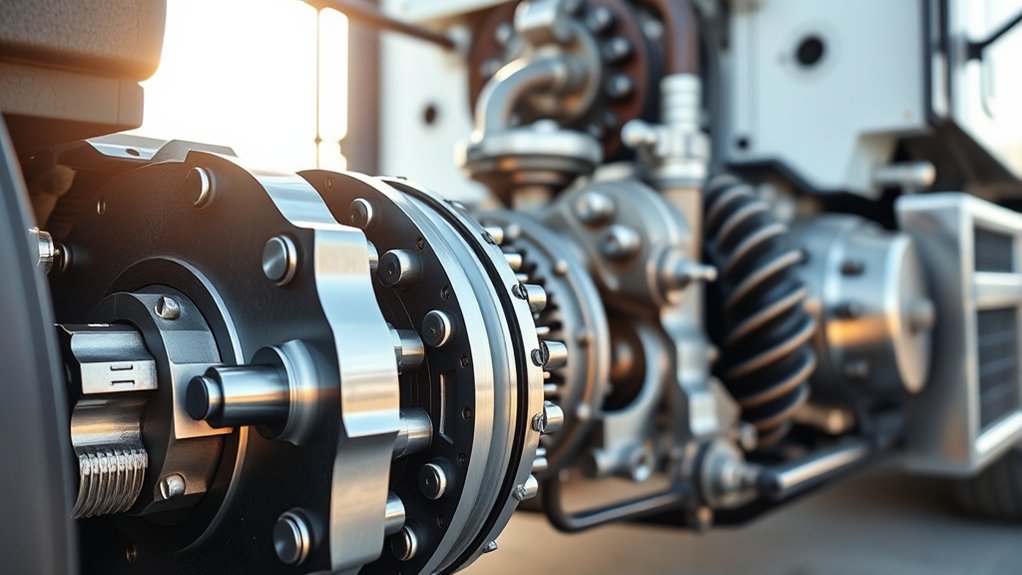
Now that you understand the engine’s role, let’s look at how the transmission moves the tractor trailer.
You’ll see how key components work together to transfer power and how shifting gears lets you control speed and torque.
This system is essential for handling heavy loads and varying road conditions.
Transmission Components Overview
When you engage the transmission in a tractor trailer, you’re fundamentally controlling how power from the engine reaches the wheels. Key components inside the transmission include the clutch, gears, shafts, and synchronizers.
The clutch lets you disconnect the engine from the drivetrain so you can smoothly change gears. Gears come in sets with different sizes, determining how much torque and speed transfer to the wheels.
Shafts connect gears and transfer rotational force, while synchronizers help match gear speeds to prevent grinding.
Together, these parts work seamlessly to handle heavy loads and varying road conditions. Understanding these components helps you appreciate how the transmission efficiently manages power, ensuring your tractor trailer moves steadily and safely down the road.
Gear Shifting Mechanism
Understanding how the clutch, gears, shafts, and synchronizers work together sets the stage for grasping the gear shifting mechanism itself.
When you shift gears in a tractor trailer, you first disengage the clutch, which disconnects the engine from the transmission. This pause lets you move the gear selector without damaging the gears.
As you move the gear lever, synchronizers match the speed of the gears, allowing smooth engagement.
You then engage the clutch again, reconnecting the engine’s power to the chosen gear ratio. This process adjusts torque and speed to handle different driving conditions.
Mastering this mechanism helps you control the vehicle efficiently, ensuring power transfers smoothly from the engine through the transmission to the wheels.
How the Trailer Connects to the Tractor Safely
Although connecting a trailer to a tractor might seem straightforward, guarantee a secure and safe link requires careful attention to several critical components. You need to focus on these key areas:
- Fifth Wheel Locking – Make sure the trailer’s kingpin fits snugly into the tractor’s fifth wheel. Engage the locking jaws fully to prevent any movement during transit.
- Safety Chains and Hooks – Attach safety chains correctly as a backup if the fifth wheel fails. Cross the chains under the hitch to catch the trailer tongue if it detaches.
- Air and Electrical Connections – Connect and test both air brake lines and electrical cables. These ensure the trailer’s brakes and lights function properly, keeping you and others safe on the road.
Following these steps guarantees a secure, reliable connection every time.
Steering Systems on Tractor Trailers
When you steer a tractor trailer, the front axle plays the main role in guiding the vehicle’s direction.
You’ll also find that the rear axle affects how the trailer moves, especially during turns.
Understanding the steering linkage components will help you see how all parts work together smoothly.
Front Axle Steering
How exactly does the front axle steering system guide a massive tractor trailer with such precision? When you turn the steering wheel, it directly controls the front axle wheels, allowing you to steer the entire vehicle smoothly. This system is designed to handle the truck’s weight and provide responsive control.
Here’s how it works:
- Steering Linkage: Your steering wheel connects through linkages to the front wheels, translating your input into wheel movement.
- Power Steering Assistance: Hydraulic or electric power steering reduces the effort you need to turn the wheels, especially important for heavy loads.
- Durable Components: Strong joints and bearings ensure the front axle can withstand stress while maintaining precise control.
This combination lets you maneuver a large tractor trailer safely and accurately on the road.
Rear Axle Dynamics
Why does the rear axle matter so much in tractor trailer steering? It plays a vital role in stability and maneuverability, especially when maneuvering tight turns. Unlike the front axle, the rear axle often includes lift or steering capabilities to reduce tire wear and improve handling.
Here’s how rear axle dynamics impact steering:
| Feature | Function | Impact on Steering |
|---|---|---|
| Lift Axle | Raises or lowers rear wheels | Reduces tire scrub |
| Tag Axle | Supports trailer weight | Improves stability |
| Rear Steer Axle | Turns opposite to front wheels | Enhances turning radius |
| Fixed Rear Axle | Non-steering, fixed position | Provides consistent support |
Understanding these helps you appreciate how rear axles contribute to overall tractor trailer control.
Steering Linkage Components
Although the rear axle plays a vital role in steering, the steering linkage components directly connect your inputs to the wheels, translating your movements into precise turns. These parts work together to guarantee the tractor trailer responds accurately when you turn the wheel.
Key components include:
- Pitman Arm – This connects the steering box to the steering linkage, converting your steering wheel’s rotation into linear motion.
- Drag Link – It transfers motion from the pitman arm to the steering knuckle, helping the wheels pivot.
- Tie Rods – These connect the steering knuckles on both sides, synchronizing their movement to keep the wheels aligned.
Understanding these parts helps you appreciate how your steering commands become smooth, controlled maneuvers on the road.
Braking Systems for Tractor Trailer Safety
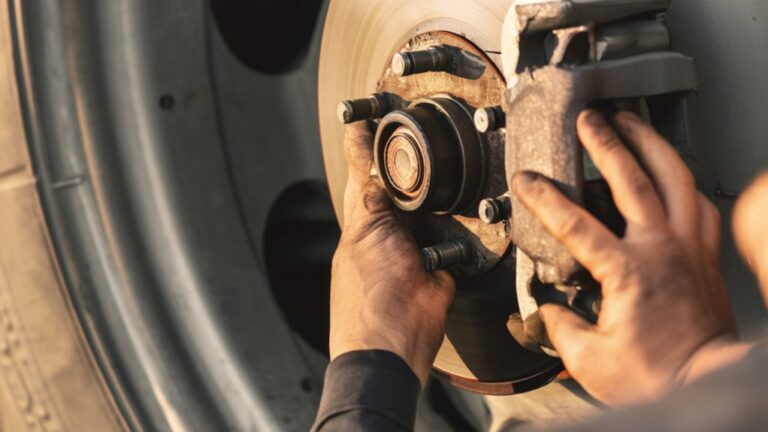
Because tractor trailers carry heavy loads, their braking systems need to be both powerful and reliable to keep you safe on the road. You rely on air brakes, which use compressed air to apply pressure to brake pads, slowing the huge vehicle effectively.
These systems include components like the compressor, reservoirs, brake chambers, and valves working together seamlessly. When you press the brake pedal, air pressure pushes the brake shoes against the drum, creating friction to stop the trailer.
Additionally, tractor trailers have spring brakes for parking and emergency stops, engaging automatically if air pressure drops. Regular inspections and maintenance are essential since any failure could compromise your ability to stop safely, given the massive weight you’re controlling.
Understanding these brakes helps you appreciate the engineering behind your safety.
Suspension Systems and Stability in Tractor Trailers
Braking systems keep your tractor trailer from rolling, but maintaining control while driving depends heavily on the suspension system. The suspension cushions the ride, absorbs shocks, and guarantees your truck stays stable on uneven roads.
Here’s how it works to keep you safe and steady:
- Shock Absorbers and Springs – They absorb bumps and vibrations, preventing the trailer from bouncing excessively.
- Air Suspension – This system uses airbags to adjust the ride height and improve stability, especially under varying loads.
- Stabilizer Bars – These reduce body roll during turns, helping you maintain control and prevent tipping.
Managing Cargo Weight Distribution in Tractor Trailers
How do you guarantee your tractor trailer handles safely and efficiently on the road? You start by managing cargo weight distribution carefully. Uneven loads can cause instability, making your vehicle harder to control. Always place heavier items low and centered over the axles to maintain balance. Avoid stacking weight too far forward or back, which can strain axles and affect steering.
Use load bars or straps to secure cargo, preventing shifts during transit. Regularly check weight limits for each axle to comply with regulations and protect your suspension system.
Fuel Systems That Support Long-Distance Travel
When you’re covering hundreds of miles on the highway, a reliable fuel system keeps your tractor trailer running smoothly without frequent stops. These systems are designed to maximize efficiency and guarantee you spend more time on the road than at fuel stations.
Here are three key components that support long-distance travel:
- Dual Fuel Tanks: Many tractor trailers have two fuel tanks, doubling your fuel capacity and extending your range before refilling.
- High-Pressure Fuel Pumps: These pumps maintain consistent fuel flow, ensuring the engine runs efficiently even under heavy loads.
- Fuel Filters: Clean fuel is critical; filters remove impurities that could damage the engine or reduce performance over time.
Together, these elements help you keep moving efficiently and reliably across long distances.
Safety Features Built Into Tractor Trailers
Although tractor trailers are built for heavy loads and long hauls, they also come equipped with advanced safety features that protect both the driver and others on the road. You’ll find systems designed to prevent accidents, enhance visibility, and maintain control under challenging conditions. These features work together to keep you and everyone else safer during every trip.
| Safety Feature | Purpose | Benefit |
|---|---|---|
| Anti-lock Braking System (ABS) | Prevents wheel lockup during braking | Maintains steering control |
| Electronic Stability Control | Helps avoid skidding or rollovers | Improves vehicle stability |
| Side Underride Guards | Prevents smaller vehicles from sliding underneath | Reduces severe crash injuries |
| Reflective Tape | Increases trailer visibility at night | Enhances road awareness |
Driver Controls and Monitoring Systems in Tractor Trailers
Since you rely on precise control and constant awareness while driving a tractor trailer, the vehicle’s driver controls and monitoring systems play an essential role in your safety and efficiency. These systems give you real-time feedback and allow you to manage the truck’s complex functions smoothly.
Precise control and constant awareness are vital for safe, efficient tractor trailer operation.
Here are three key components you use daily:
- Dashboard Instrument Cluster – Displays speed, engine temperature, fuel levels, and air pressure, helping you monitor the truck’s crucial stats at a glance.
- Steering and Pedal Controls – Your direct input devices for acceleration, braking, and maneuvering, designed for responsiveness and durability.
- Advanced Monitoring Systems – Includes GPS navigation, tire pressure monitoring, and collision warning systems that keep you informed and alert on the road.
Together, these controls and systems help you operate the tractor trailer safely and efficiently.
How Tractor Trailers Navigate Different Road Conditions
How do tractor trailers handle the challenges of wet, icy, or uneven roads? When you’re behind the wheel, you rely on the trailer’s weight distribution and advanced traction control systems to maintain stability. The tires grip the surface firmly, and anti-lock brakes prevent skidding during sudden stops.
On icy roads, you’ll need to drive slower and use engine braking to avoid wheel lockup. Uneven surfaces demand careful steering and suspension systems that absorb shocks, keeping the load steady.
You’ll also adjust your speed and following distance based on conditions, ensuring safety. These combined factors help tractor trailers navigate tricky terrain effectively, allowing you to maintain control and protect both the cargo and yourself.
Maintenance Practices to Keep Tractor Trailers Running Smoothly
To keep a tractor trailer running smoothly, you need to stay on top of regular maintenance tasks. Proper upkeep prevents breakdowns and extends the vehicle’s lifespan. Here are three essential maintenance practices you should follow:
Staying proactive with maintenance keeps your tractor trailer reliable and extends its life on the road.
1. Check and Change Fluids Regularly
Engine oil, coolant, and brake fluid levels affect performance. Change them as recommended to avoid engine wear and overheating.
2. Inspect Tires and Brakes
Look for tread wear and maintain correct tire pressure. Ensure brakes respond well to keep you safe on the road.
3. Perform Routine Visual Inspections****
Regularly examine lights, suspension, and connections. Catching small issues early saves you time and money later.
Frequently Asked Questions
What Licenses Are Required to Operate a Tractor Trailer?
You’ll need a Commercial Driver’s License (CDL), usually Class A, to operate a tractor trailer. You’ll also need to pass written and skills tests, plus meet medical and age requirements to stay compliant and safe on the road.
How Do Tractor Trailers Impact Road Infrastructure?
Ever wonder how tractor trailers affect roads? You’ll see they cause more wear and tear due to their heavy weight, leading to potholes and cracks. That means more repairs and higher maintenance costs for everyone.
What Environmental Regulations Affect Tractor Trailer Emissions?
You must follow EPA and CARB regulations that limit nitrogen oxides and particulate matter emissions. You’ll also deal with fuel efficiency standards and may need to use cleaner diesel or alternative fuels to meet these environmental rules.
How Do Weather Conditions Affect Tractor Trailer Fuel Efficiency?
You’ll see your tractor trailer’s fuel efficiency drop in cold, windy, or rainy weather because your engine works harder, and aerodynamic drag increases. Slippery roads can also reduce efficiency by forcing slower, less steady speeds.
What Are Common Causes of Tractor Trailer Accidents?
You’ll find common causes of tractor trailer accidents include driver fatigue, speeding, distracted driving, poor weather, mechanical failures, and improper loading. Staying alert, following safety rules, and maintaining your vehicle can help you avoid these risks.
Conclusion
You rely on the powerful engine to move forward, trust the transmission to shift smoothly, and connect securely to the trailer for safe hauling. You steer with precision, monitor controls closely, and adapt to changing road conditions confidently. You maintain your tractor trailer regularly, ensuring every part works together seamlessly. By understanding how each system functions and works in harmony, you keep your journey safe, efficient, and reliable every mile you drive.