How Many Volts Does a Lawn Mower Battery Have?
Most lawn mower batteries run at 12 volts, which powers the engine start and electrical systems effectively. However, depending on your mower’s model, you might find 6-volt batteries in vintage or compact models, 24 volts in commercial or heavy-duty mowers, or even 56 to 60 volts in high-performance electric ones. Using the right voltage is key to good performance and avoiding damage. Keep your mower’s specific voltage needs in mind, and you’ll guarantee it runs smoothly for years to come.
Key Takeaways
- Most lawn mower batteries are 12 volts, suitable for standard engine starting and electrical systems.
- Some vintage or compact mowers use 6-volt batteries, while heavy-duty models may require 24 volts.
- Specialty electric mowers often operate on higher voltages like 56V or 60V for increased power.
- Correct voltage matching is crucial to avoid damage and ensure optimal mower performance and battery life.
- Voltage below 11.5V indicates urgent battery issues, while 12.6+ volts signifies a healthy, ready-to-use battery.
What Voltage Does a Typical Lawn Mower Battery Have?
Although lawn mower models vary, most typical lawn mower batteries have a voltage of 12 volts. When you check your lawn mower’s battery, you’ll likely find a 12-volt lead-acid or lithium-ion battery powering the engine or electric start system.
This voltage provides enough power to turn the starter motor efficiently while being safe and manageable for residential use. You don’t usually need to worry about other voltages because manufacturers standardize on 12 volts for compatibility and reliability.
When replacing your battery, you should match this voltage exactly to avoid damaging your mower’s electrical system or reducing performance.
Which Lawn Mower Models Use Battery Voltages Other Than 12 Volts?
You might find lawn mower models that use voltages other than 12 volts, especially from certain brands with unique specifications. Some specialty battery-powered mowers also run on higher or lower voltages to match their design.
Let’s look at which models and brands break the 12-volt standard.
Common Non-12 Volt Models
Wondering which lawn mower models use battery voltages other than the standard 12 volts? Some older or specialized models might use 6-volt or 24-volt batteries.
For example, vintage riding mowers occasionally rely on 6-volt systems, which offer simpler technology but less power. On the other hand, heavy-duty commercial mowers often use 24-volt batteries to deliver the extra torque needed for tougher jobs.
These non-12 volt models are less common today but still appear in specific applications where particular power or design requirements exist. If you’re dealing with a mower that doesn’t fit the typical 12-volt profile, checking the battery label or manufacturer specs is crucial to guarantee you get the right replacement or charger.
Voltage Specifications By Brand
When selecting a replacement battery, understanding voltage specifications by brand can save you time and hassle. While 12 volts is common, some lawn mower brands use different voltages that you’ll want to know. For example, certain models from Troy-Bilt and Snapper operate on 24-volt systems, offering more power for heavy-duty tasks. Meanwhile, brands like John Deere often stick to 12 volts but have specific models with 6-volt batteries for older or compact designs. Here’s a quick guide:
| Brand | Voltage Options | Common Models |
|---|---|---|
| Troy-Bilt | 12V, 24V | TB230, TB490 |
| Snapper | 12V, 24V | SPX200, SPX300 |
| John Deere | 6V, 12V | E100 (6V), X350 (12V) |
Knowing these helps you pick the right battery quickly.
Specialty Battery-Powered Mowers
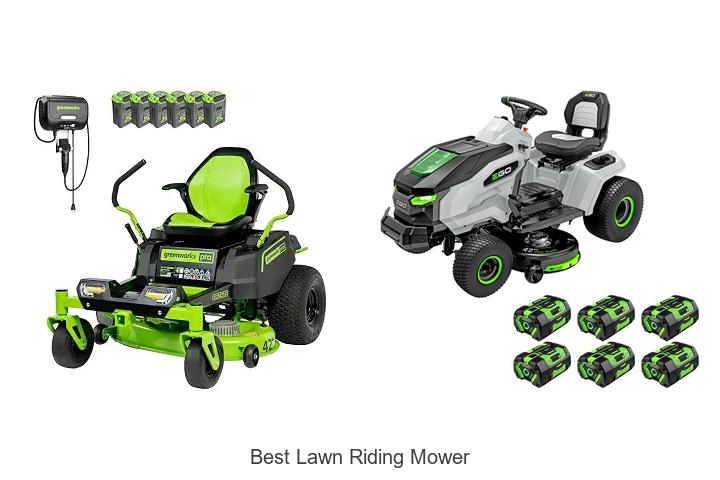
Although most lawn mowers use standard 12-volt batteries, some specialty models require different voltages to meet unique power needs. For example, certain high-performance electric mowers from brands like EGO and Greenworks use 56-volt or 60-volt lithium-ion battery packs. These higher voltages provide more power and longer runtime, perfect if you’re tackling large yards or thick grass.
You’ll also find that some commercial-grade zero-turn mowers use 24-volt or 36-volt systems to balance power and battery life efficiently. When choosing a battery-powered mower, check the voltage requirements carefully to guarantee compatibility and maximum performance.
Using the right voltage not only boosts efficiency but also extends the battery’s lifespan, helping you get the best from your mower.
Why Lawn Mower Battery Voltage Impacts Performance and Longevity
Because the voltage of your lawn mower battery directly affects its ability to start the engine and power electrical components, maintaining the correct voltage is essential for peak performance.
If the voltage is too low, your mower might struggle to start or run inefficiently, causing frustration and wasted time.
On the other hand, if the voltage is too high, it can stress the battery and electrical system, leading to premature wear.
Keeping your battery at the recommended voltage ensures that it delivers steady power, preserves the battery’s internal chemistry, and prevents damage to connected parts.
How Different Battery Voltages Impact Your Mower’s Performance
The voltage of your lawn mower’s battery directly affects its power and how long it can run on a single charge. Higher voltage batteries typically deliver stronger performance and longer runtime, helping you finish your yard work faster.
Understanding this relationship helps you choose the right battery for your mowing needs.
Battery Voltage and Power
When you choose a lawn mower battery, its voltage directly affects how well your mower performs. Higher voltage batteries deliver more power, giving your mower stronger acceleration and better cutting ability, especially in thick grass or uneven terrain.
For example, a 36-volt battery offers more torque than an 18-volt one, letting your mower handle tougher jobs without slowing down. However, your mower’s motor and electrical system must match the battery voltage to operate efficiently.
Using a battery with too low voltage can cause sluggish performance, while too high a voltage might damage components. So, selecting the right voltage ensures your mower runs smoothly and powerfully, helping you finish your lawn care faster and with less effort.
Voltage Effects on Runtime
Matching your mower’s battery voltage not only influences power but also affects how long you can work before needing a recharge. Higher voltage batteries generally provide longer runtime because they store more energy, allowing your mower to operate for extended periods.
For example, a 40-volt battery typically lasts longer than a 20-volt one, letting you cover more ground without interruptions. However, runtime also depends on factors like blade speed, grass density, and mower efficiency.
If you choose a battery with too low voltage, your mower might struggle and drain quickly, cutting your work short. On the other hand, a higher voltage battery can deliver consistent power, improving runtime and performance.
How to Test Your Lawn Mower Battery Voltage
Although testing your lawn mower battery voltage might seem intimidating, you can easily do it with a multimeter or voltmeter. First, set your device to measure DC voltage, usually marked as “V” with a straight line.
Next, turn off the mower and disconnect the battery terminals to avoid inaccurate readings.
Attach the multimeter’s red probe to the positive terminal and the black probe to the negative terminal.
Read the displayed voltage; this gives you the battery’s current charge level. Make sure to hold the probes steady to get a stable reading.
After testing, reconnect the battery terminals securely.
Regularly checking your battery’s voltage helps you maintain your mower and avoid unexpected power issues during use.
How to Tell If Your Mower’s Battery Voltage Is Too Low
You can tell if your mower’s battery voltage is too low by measuring it with a voltmeter or multimeter.
Look for signs like slow engine cranking or dim lights, which often indicate low voltage.
Using the right testing tools helps you confirm if the battery needs charging or replacement.
Measuring Battery Voltage
When your lawn mower struggles to start, checking the battery voltage can quickly reveal if it’s too low. Grab a digital multimeter and set it to measure DC voltage.
Connect the red probe to the battery’s positive terminal and the black probe to the negative terminal.
A fully charged 12-volt mower battery should read around 12.6 volts or higher.
If the reading dips below 12 volts, the battery may be undercharged or failing.
Make sure the mower is off and the battery is disconnected before testing to avoid inaccurate readings.
Regularly measuring voltage helps you catch battery issues early, ensuring your mower starts reliably every time you need it.
Signs Of Low Voltage
Measuring your lawn mower’s battery voltage can give you a clear indication of its health, but knowing the signs of low voltage helps you catch problems even before testing.
If your mower struggles to start or takes longer than usual to crank, it’s a strong sign the battery might be weak. You might also notice dim headlights or accessories that don’t work properly.
Sometimes, the engine may stall unexpectedly during use, signaling insufficient power.
Another clue is corrosion or buildup around the battery terminals, which can affect voltage delivery.
If your mower’s battery feels unusually warm or swollen, that’s a warning sign too.
Voltage Testing Tools
How can you quickly determine if your lawn mower’s battery voltage is too low? By using the right voltage testing tools, you can get an accurate reading in seconds. A multimeter is the most common tool—it measures voltage, current, and resistance. You can also use a dedicated battery tester designed for 12V batteries. These tools help you avoid guesswork and prevent unexpected breakdowns. Here’s a quick guide to how test results might make you feel:
| Voltage Reading (Volts) | Your Reaction |
|---|---|
| 12.6+ | Relieved, Ready to Go |
| 12.4 – 12.6 | Cautious, Monitor it |
| 12.0 – 12.4 | Concerned, Charge Soon |
| 11.5 – 12.0 | Frustrated, Replace Battery |
| Below 11.5 | Alarmed, Immediate Action Needed |
Can You Use a Different Voltage Battery in Your Lawn Mower?
Although using a different voltage battery in your lawn mower might seem like a quick fix, it can lead to serious performance issues or damage. Your mower’s electrical system is designed for a specific voltage, and swapping it out risks complications.
Here’s why you should stick to the recommended voltage:
- Using a higher voltage battery can overload circuits, causing permanent damage.
- A lower voltage battery mightn’t provide enough power, leading to poor starting performance.
- Mismatched voltage can shorten battery life or cause erratic operation.
- Warranty issues may arise if you use an incorrect battery voltage.
To keep your mower running smoothly, always check the manufacturer’s specifications before replacing the battery.
How to Safely Replace Your Lawn Mower Battery
Before you replace your lawn mower battery, make sure you have the right tools and safety gear on hand. You’ll need gloves, safety glasses, a wrench or socket set, and a new battery that matches your mower’s specifications.
First, turn off the mower and disconnect the spark plug wire to prevent accidental starting.
Next, locate the battery compartment and remove any covers.
Carefully disconnect the negative (black) cable first, then the positive (red) cable.
Remove the old battery and clean the terminals with a wire brush if necessary.
Place the new battery in the compartment, reconnect the positive cable first, then the negative.
Secure the battery and replace any covers.
Finally, reconnect the spark plug wire and test your mower to ensure everything works properly.
Common Battery Voltage Problems and Fixes
Replacing your lawn mower battery correctly helps prevent many voltage issues, but you might still encounter some common problems. If your mower won’t start or the battery dies quickly, check these fixes:
Proper battery replacement prevents voltage problems, but some common starter and power issues may still arise.
- Low Voltage Output: Use a multimeter to test. If voltage is below 12 volts, recharge or replace the battery.
- Corroded Terminals: Clean terminals with a baking soda solution and a wire brush to guarantee a solid connection.
- Loose Connections: Tighten all battery cables to avoid voltage drops.
- Parasitic Drain: Disconnect the battery overnight. If voltage drops, a short circuit or faulty switch may be draining power.
Tips to Maintain and Extend Your Lawn Mower Battery Life
If you want your lawn mower battery to last longer and perform reliably, regular maintenance is essential.
First, keep the battery clean by wiping off dirt and corrosion from terminals with a mixture of baking soda and water. Make sure the connections are tight to prevent power loss.
Charge the battery fully after each use and avoid letting it drain completely, as deep discharges shorten its life.
Store the battery in a cool, dry place during off-seasons to prevent damage from extreme temperatures.
Periodically check the electrolyte levels if your battery isn’t sealed, topping off with distilled water when needed.
Frequently Asked Questions
How Do Battery Voltages Differ Between Electric and Gas Lawn Mowers?
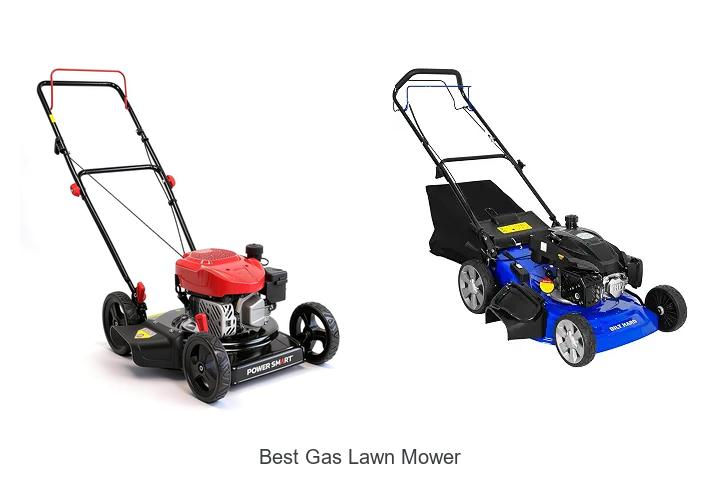
You’ll find electric mowers use higher voltage batteries, like 40V or more, for longer run times, while gas mowers often have 12V batteries just to start the engine. Each suits its mower’s power needs.
What Are the Environmental Impacts of Disposing Old Lawn Mower Batteries?
You could single-handedly poison the planet if you toss old lawn mower batteries carelessly! They leak toxic metals and acids, harming soil, water, and wildlife. Always recycle them properly to protect the environment and stay responsible.
Can a Lawn Mower Battery Be Recharged With a Regular Car Battery Charger?
Yes, you can recharge a lawn mower battery with a regular car battery charger, but you need to use the correct voltage setting and monitor it closely to avoid overcharging or damaging the battery.
How Does Temperature Affect Lawn Mower Battery Performance?
You’ll notice your lawn mower battery loses about 20% capacity at 32°F. Cold temperatures slow chemical reactions inside, reducing performance. Keep your battery warm to make sure it starts strong and lasts longer during chilly days.
Are There Any Safety Risks Associated With Lawn Mower Batteries?
Yes, you should handle lawn mower batteries carefully because they contain acid and can leak or explode if damaged. Always wear gloves, avoid sparks, and charge them in a well-ventilated area to stay safe.
Conclusion
Knowing your lawn mower battery’s voltage is key to keeping it running smoothly. Most use 12 volts, but some models vary, so always check before swapping batteries. Remember, “a stitch in time saves nine”—testing and maintaining your battery regularly prevents bigger problems down the road. By choosing the right voltage and caring for your battery properly, you’ll guarantee your mower performs well and lasts longer, saving you time and frustration.